

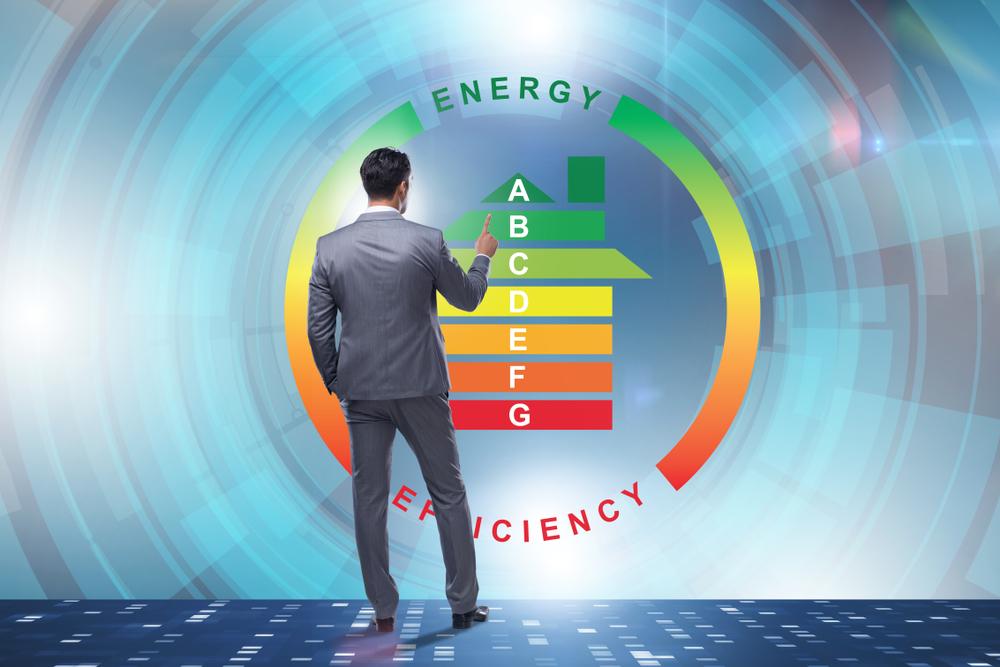
In the contemporary business landscape, energy efficiency is a cornerstone of operational sustainability and cost-effectiveness. Many businesses are now recognising the importance of commercial energy procurement as a strategic approach to enhance their energy management practices. This guide aims to elucidate the intricacies of commercial energy procurement and its significance in promoting efficiency and sustainability.
Understanding Commercial Energy Procurement
Commercial energy procurement involves the strategic sourcing of energy for business needs. This process includes evaluating energy requirements, negotiating contracts, and managing energy costs effectively. The goal is to secure a reliable and cost-efficient energy supply, thus enabling businesses to optimize their operations.
Why Opt for Commercial Energy Procurement?
Commercial energy procurement offers several advantages. Firstly, it allows businesses to mitigate energy price volatility through fixed-rate contracts. Secondly, it provides access to renewable energy options, supporting environmental sustainability goals. Additionally, effective procurement can lead to substantial cost savings over time.
Key Components of Energy Procurement
Several key components define the energy procurement process. These include demand analysis, supplier evaluation, contract negotiation, and ongoing contract management. Understanding these components can empower businesses to make informed decisions.
Demand Analysis
Demand analysis involves assessing a business’s energy needs and usage patterns. This step is crucial in determining the type and quantity of energy required, which guides the rest of the procurement process.
Supplier Evaluation
Evaluating potential suppliers is essential to identify the most reliable and cost-effective options. Factors to consider include pricing structures, energy sources, and customer service capabilities.
Contract Negotiation
Effective negotiation can result in favourable terms, including pricing, supply capacity, and contract duration. Businesses should aim to achieve terms that align with their operational goals and financial constraints.
Ongoing Contract Management
Managing the energy procurement contract involves monitoring energy consumption, compliance with contract terms, and performance review. This ensures that the agreed terms continue to serve the business’s interests over time.
Strategies for Enhancing Energy Procurement Efficiency
To maximise the benefits of commercial energy procurement, businesses can adopt several strategies. These include engaging with energy consultants, leveraging technology for smart energy management, and regularly reviewing procurement strategies to adapt to market changes.
Engaging with Energy Consultants
Energy consultants can provide expert insights into market trends and procurement strategies. Their guidance can be invaluable in navigating complex energy markets and achieving optimal procurement results.
Leveraging Technology
Smart energy management technologies, such as energy management systems (EMS) and data analytics tools, can enhance procurement efficiency. These technologies enable real-time monitoring of energy usage and trends, facilitating proactive management and cost control.
Regular Procurement Strategy Reviews
Periodic reviews of procurement strategies are essential to ensure they remain aligned with business objectives and market conditions. Regular adjustments can optimise procurement performance and adapt to evolving energy landscapes.
The Role of Renewable Energy in Procurement
In the pursuit of sustainability, integrating renewable energy into procurement strategies is becoming increasingly important. Businesses are encouraged to incorporate sources like wind, solar, and hydroelectric power to reduce carbon footprints and promote environmental stewardship.
Benefits of Renewable Energy Integration
Incorporating renewable energy offers numerous benefits, including reduced greenhouse gas emissions, enhanced corporate image, and potential financial incentives. These factors contribute to a sustainable and socially responsible business model.
Challenges and Considerations
While the integration of renewable energy presents opportunities, it also involves challenges such as higher initial costs and variability in supply. Businesses must weigh these factors carefully in their procurement decisions.
Conclusion
Commercial energy procurement is a vital component of a business’s operational strategy, offering pathways to cost savings and sustainability. By understanding and efficiently managing the procurement process, businesses can unlock significant efficiency gains. As the energy market evolves, staying informed and proactive in procurement practices is crucial for maintaining a competitive edge.