

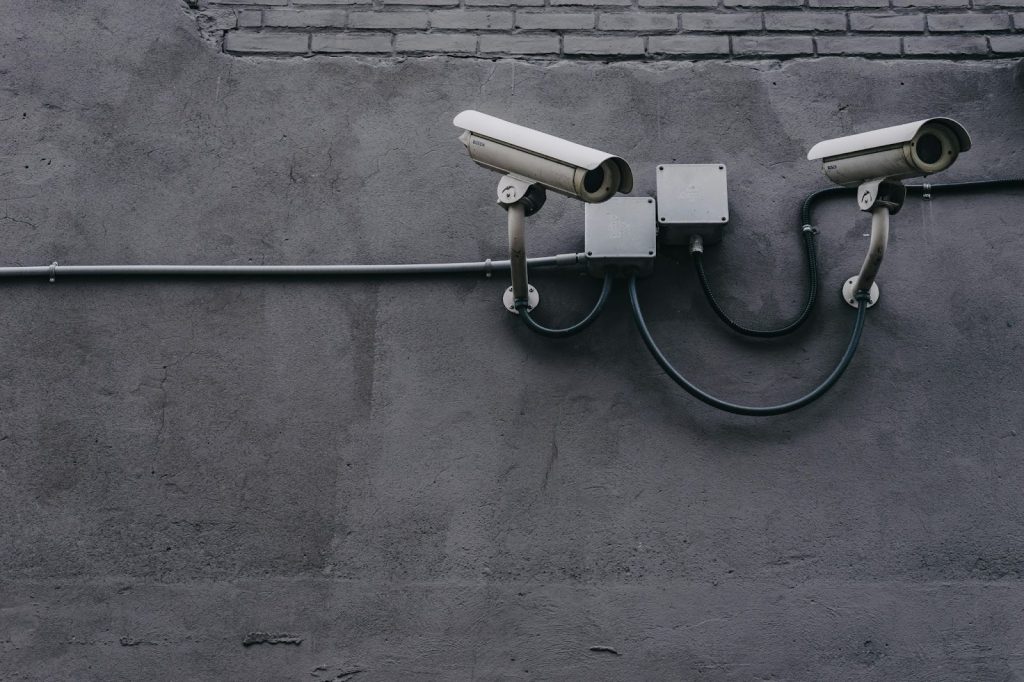
There is nothing quite like the rush of watching your business take off. You’re hiring new talent, opening new locations, and seeing those revenue charts climb. It’s the moment every entrepreneur works toward. But amidst the excitement of signing leases and onboarding employees, there is often a critical infrastructure piece that gets overlooked: security.
When you first started, a simple lock-and-key setup or a basic alarm might have been enough. But as your operations expand, those legacy systems can quickly turn from a safety net into a bottleneck. You don’t want to be in a position where opening a new office takes weeks simply because you can’t get the access cards programmed, or where you can’t monitor your inventory because your camera system maxed out at four channels.
This is why scalability isn’t just a buzzword for your software stack; it is vital for your physical security, too.
Why Scalability Matters
Think of your security system like your office space. You wouldn’t sign a ten-year lease on a one-room office if you planned to hire fifty people next year. You need room to grow.
A rigid security system forces you into a corner. If you need to add a new entry point or a new building, a non-scalable system often requires a “rip and replace” approach. This is expensive, disruptive, and leaves you vulnerable during the transition.
Scalability matters because it allows your security to move at the speed of your business. It means you can start with what you need today—perhaps securing a single server room—and effortlessly expand to covering an entire campus next year without scrapping your initial investment.
Key Components of a Scalable System
So, what does a flexible system actually look like? It usually moves away from clunky, on-premise hardware and leans into modern connectivity.
- Cloud-Based Access Control: Instead of managing servers in a closet, cloud systems allow you to grant or revoke employee access from a laptop anywhere in the world. Adding a new user takes seconds, not a site visit from a technician.
- IP Video Surveillance: Unlike old analog systems with limited ports, modern IP cameras connect to your network. You can add cameras as needed without being limited by the physical inputs on a recording box.
- Integrated Management Platforms: As you grow, you don’t want five different logins for five different locations. A scalable solution unifies everything into one dashboard.
How Sound Effects Can Help
Navigating the transition from a small-business setup to an enterprise-grade solution can be confusing. This is where the Sound Effects team provides you the best solution. They specialize in identifying exactly where your current vulnerabilities lie and mapping out a strategy that supports your growth trajectory.
Rather than selling you a one-size-fits-all package, Sound Effects focuses on modular systems. They understand that a warehouse has different needs than a corporate HQ, but that both need to be managed easily by your security team. With their expertise, you can implement a foundation that allows for seamless expansion.
The Benefits of Flexibility
Investing in a scalable architecture now pays dividends later.
First, it is cost-effective. You avoid the massive capital expenditure of buying an oversized system “just in case” you grow, and you avoid the wasted cost of replacing a small system that you outgrew. You pay for exactly what you use.
Second, it offers adaptability. Business risks change. Today you might be worried about external theft; tomorrow it might be internal data center access. A scalable system allows you to integrate new technologies—like biometric scanners or license plate recognition—as your needs evolve.
Future-Proof Your Business
Your business is dynamic, and your security strategy should be, too. Sticking with a static, rigid system is a risk that expanding companies simply cannot afford to take.
By prioritizing scalability, you ensure that your assets, data, and people remain protected no matter how fast you grow. If you are ready to upgrade to a system that works as hard as you do, reach out to Sound Effects to discuss a custom plan for your future.
