

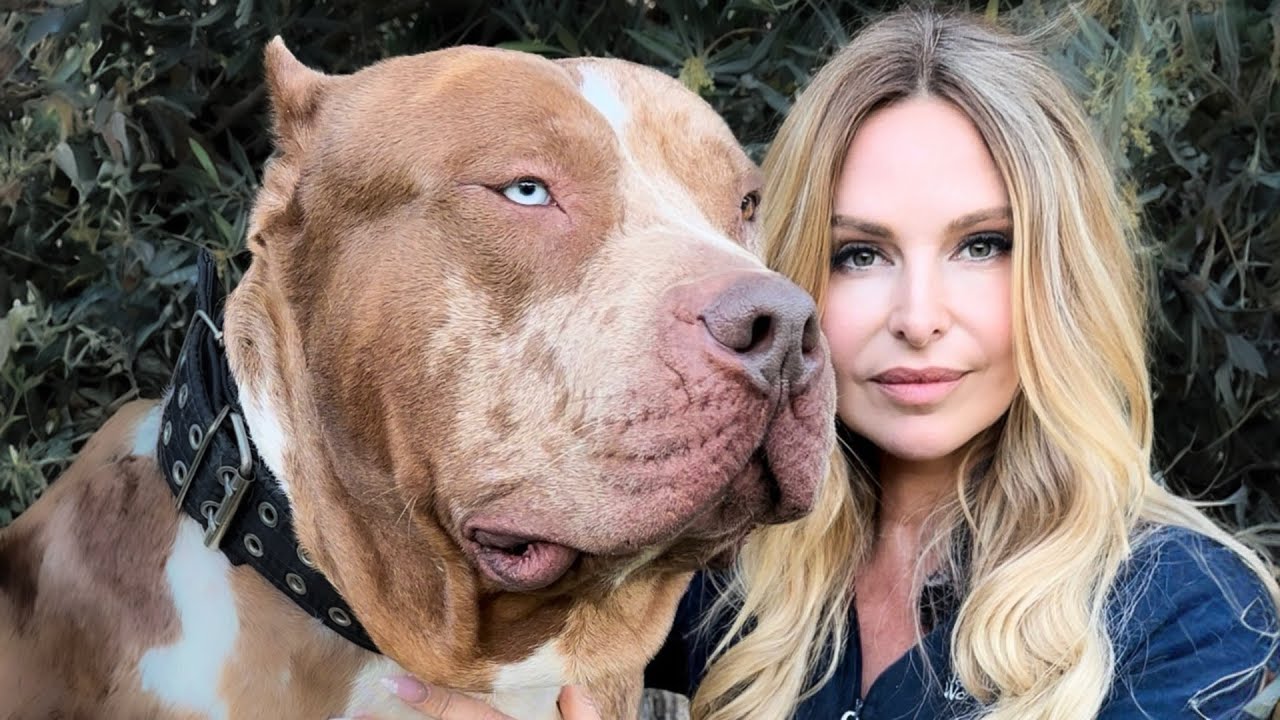
XXL Pitbulls capture attention with their imposing stature and muscular builds, often sparking curiosity among dog enthusiasts who seek out the largest examples of this powerful breed type. These dogs, sometimes referred to alongside XL Bullies, represent an extreme variation in size within pit bull-related lines, pushing boundaries through selective breeding focused on massive bone structure, thick frames, and wide muscular bodies. While standard American Pit Bull Terriers typically range from 35 to 60 pounds for males and stand 18 to 21 inches at the shoulder, XXL versions frequently reach well beyond those figures, with many weighing between 120 and 180 pounds or more when fully mature.
Defining XXL Pitbulls and Their Distinctions
learn more about XXL Pitbulls emerge from bloodlines selectively bred over generations to emphasize exceptional size while attempting to maintain functional structure and mobility. Unlike the standard American Pit Bull Terrier, which prioritizes athleticism, gameness, and a more compact yet powerful frame, XXL variants aim for heavier bone, broader chests, and exaggerated mass. This often overlaps with XL American Bullies, a related but distinct category developed more recently as a companion breed with influences from various bulldog and terrier lines.
The key difference lies in build and purpose. XXL Pitbulls tend to retain a more athletic profile with longer legs and leaner proportions in some lines, preserving higher energy and drive. In contrast, XL or larger American Bullies usually feature a wider, more compact, and heavily muscled appearance with shorter muzzles and thicker overall frames. Both share roots in pit bull-type genetics but diverge in emphasis—athletic prowess versus sheer bulk and presence. True XXL dogs come from programs that produce consistent large litters across generations rather than occasional oversized individuals, ensuring size is supported by balanced proportions and clean movement.
Physical Characteristics and Impressive Scale
A hallmark of XXL Pitbulls remains their heavy bone structure and defined musculature, creating a commanding appearance with large head pieces, wide chests, and thick, powerful limbs. Well-bred examples display balanced development where muscle fills out the frame without appearing sloppy or disproportionate. Heights often exceed standard ranges significantly, and weights can climb into the 140 to 180+ pound territory for exceptional specimens, though exact figures vary by lineage, nutrition, and individual genetics.
Famous cases like the late Hulk, once celebrated as one of the heaviest at around 175 to 180 pounds, or other record challengers approaching or surpassing 180 pounds, highlight the upper limits achieved through dedicated breeding. These giants require strong skeletal support to carry their mass effectively, as oversized dogs without proper structure risk long-term mobility challenges or joint strain.
Temperament and Personality in Large Pitbull Lines
When raised responsibly with proper socialization, training, and stable environments, XXL Pitbulls often exhibit loyal, confident, and affectionate natures similar to their standard counterparts. They thrive on human interaction, showing eagerness to please and playful energy in the right homes. Many display the classic pit bull traits of strength, determination, and zest for life, though their larger size amplifies the need for experienced handling to channel that power positively.
Owners frequently describe them as gentle with family members when properly nurtured, emphasizing that temperament stems more from upbringing, environment, and individual personality than size alone. Responsible breeding prioritizes stable dispositions alongside physical traits to produce dogs suitable as companions rather than purely for show or intimidation.
Breeding Philosophy and Health Considerations
Reputable programs focus on long-term development, selecting for genetics that consistently yield size, structure, head shape, and overall build without compromising health or function. The goal centers on dogs that move well despite their bulk, avoiding extremes that lead to structural weaknesses. Health remains a critical factor, as oversized frames can predispose to joint issues, heart strain, or other concerns if proportions falter. Ethical breeders conduct health testing, provide adequate space for growth, and advise potential owners on the realities of managing such large, energetic animals.
Demand for these impressive dogs continues across the United States, with established kennels producing lines known for legendary size and presence. However, prospective owners should approach adoption or purchase thoughtfully, considering space requirements, exercise needs, training commitment, and the lifelong responsibility involved.
Myths and Realities Surrounding Giant Pitbulls
Misconceptions often surround XXL Pitbulls, including exaggerated claims about aggression or inherent danger tied to their size. In truth, no breed or size variation is inherently vicious—behavior arises from environment, training, and socialization. Myths like locking jaws or automatic human aggression have been repeatedly debunked by experts and temperament testing organizations, where pit bull types score comparably or better than many other breeds in stability and friendliness.
The fascination with record-breaking sizes sometimes overshadows the importance of responsible ownership. These dogs can make devoted family members in capable hands, but their power demands respect, consistent leadership, and proactive care to ensure positive outcomes.
Final Thoughts on Embracing XXL Pitbulls
XXL Pitbulls embody the pinnacle of selective breeding for size within pit bull heritage, offering a striking blend of strength, loyalty, and presence for those prepared to meet their needs. From their massive yet balanced builds to their affectionate temperaments when raised right, they represent a niche that appeals to enthusiasts seeking extraordinary companions. Success with these giants hinges on informed choices, ethical sourcing, and dedicated care—turning potential challenges into rewarding bonds with one of the most talked-about variations in the canine world.
