

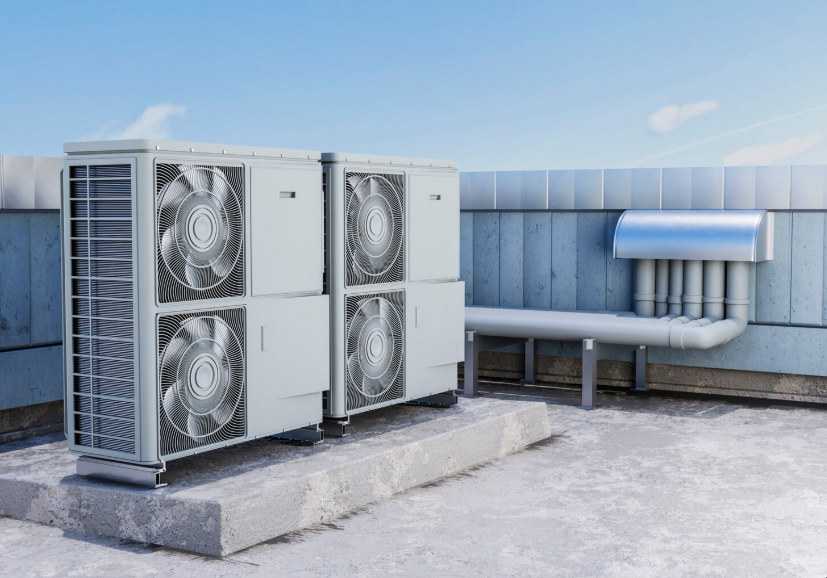
Maintaining a comfortable environment is crucial for the productivity and satisfaction of employees and clients alike. In a bustling city like Sydney, dealing with the often extreme summer temperatures can be challenging for businesses. This is where commercial air conditioning in Sydney comes into play, providing necessary relief and ensuring an optimum indoor climate.
Understanding the Basics of Commercial Air Conditioning
Commercial air conditioning systems are designed to handle the cooling and heating needs of larger spaces, ranging from small businesses to large office complexes and industrial buildings. Unlike residential units, these systems are often more complex, requiring a tailored approach to achieve maximum efficiency.
Types of Commercial Air Conditioning Systems
Several types of air conditioning systems are available for commercial use in Sydney, each with its own set of advantages and suitable applications. These include:
Central Air Conditioning
Central air conditioning systems are ideal for large buildings as they can efficiently manage temperature control across multiple rooms and floors. These systems typically involve a central unit that distributes cooled air through a network of ducts.
Split Systems
Split systems consist of an indoor unit and an outdoor unit, making them a versatile choice for different business sizes. They are easy to install and maintain, making them a popular choice for shops and cafes.
VRF Systems
Variable Refrigerant Flow (VRF) systems allow for individual temperature control in different areas of a building, providing enhanced comfort and energy savings. They are suitable for medium to large-sized buildings.
Benefits of Opting for Professional Installation
When it comes to installing commercial air conditioning, hiring professionals ensures the best results. Professional installation guarantees that systems are set up correctly, which not only improves longevity but also increases energy efficiency.
Expert Advice
Professionals offer valuable guidance on selecting the right system according to specific business needs, which can contribute significantly to operational efficiency.
Ensuring Compliance
Commercial buildings in Sydney have to adhere to specific regulations regarding air conditioning systems. Expert installers are well-versed with these requirements and ensure compliance, thus avoiding potential legal complications.
Energy Efficiency and Cost Considerations
An essential aspect of choosing a commercial air conditioning system in Sydney is considering energy efficiency. Modern systems are designed with energy-saving features that reduce running costs without compromising on performance.
Smart Technology Integration
Incorporating smart technology into air conditioning systems allows businesses to better monitor and regulate energy usage, contributing to significant cost savings over time.
Maintenance and Repair
Regular maintenance is essential for the longevity and efficiency of commercial air conditioning systems. Scheduled servicing can prevent unexpected breakdowns, ensuring uninterrupted comfort in commercial spaces.
Finding Reliable Maintenance Services
Choosing a reputable maintenance service provider can make a significant difference in the performance and lifespan of air conditioning systems. Look for experienced professionals who offer comprehensive servicing and repair options.
Considering Future Expansion
When selecting a commercial air conditioning system, consider future expansion. Opting for a scalable solution can save businesses from the need for complete system overhaul should the operation grow.
Flexible Systems
Invest in systems that can be easily upgraded or expanded, allowing for seamless incorporation of new components as requirements change.
Conclusion
For businesses in Sydney, selecting the right commercial air conditioning system is crucial to maintaining a comfortable and productive environment. With a plethora of options available, understanding the different types and benefits can guide businesses to make informed decisions. Professional installation and regular maintenance are paramount to ensure long-term efficiency and compliance with local regulations.