

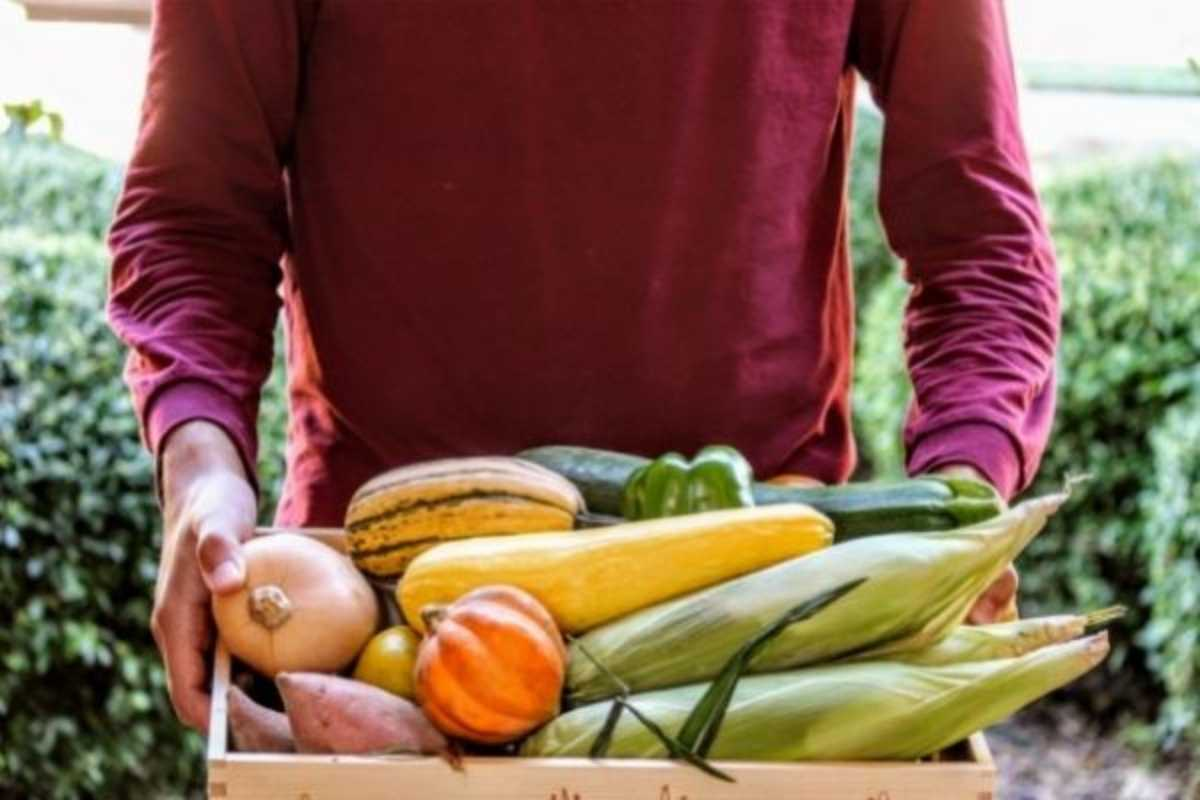
“Farm-to-table” sounds simple enough: food comes from farms and ends up on your plate. But in modern restaurant marketing, the phrase can mean several different things. Does it mean the restaurant owns a farm? Buys directly from farmers? Uses local produce? Changes its menu with the seasons? Or simply puts a few locally sourced ingredients on an otherwise conventional menu?
The reality is more nuanced. Farm-to-table is best understood as an approach to sourcing rather than a single type of cuisine. At its strongest, it means a restaurant pays close attention to where its ingredients come from, builds relationships with producers and allows the quality and availability of that produce to influence what appears on the menu.
That makes provenance — knowing where food comes from and who produced it — an important part of the conversation. But it also means diners should look beyond the phrase itself. A restaurant that can tell you about its farmers, growers, fisheries, suppliers and seasonal ingredients is giving you something much more meaningful than a generic “locally sourced” claim.
So, What Actually Is Farm-to-Table?
Farm-to-table food generally describes a supply approach that creates a closer connection between producers and the restaurant serving their food.
Instead of treating ingredients as anonymous commodities, the restaurant pays attention to their origin. That might involve buying vegetables from particular growers, meat from named farms, fish from specific suppliers or flour from a particular mill.
The important point is that farm-to-table doesn’t necessarily mean every ingredient comes from a farm five miles away. Restaurants need a broad range of ingredients, and some products simply aren’t produced locally or in sufficient quantities.
A serious restaurant can therefore have a strong farm-to-table or farm-led philosophy while still sourcing particular ingredients from elsewhere. What matters is transparency, quality, seasonality and the strength of the relationship between the restaurant and its producers.
Seasonality Is One of the Biggest Clues
One of the clearest signs of genuine farm-focused cooking is a menu that responds to the seasons.
Think asparagus in spring, berries and fresh vegetables during summer, apples and root vegetables as the year progresses, and heartier produce through colder months. A truly seasonal restaurant doesn’t have to force the same menu onto diners throughout the year.
Muse by Tom Aikens offers a particularly clear example of this approach.
The Belgravia restaurant describes its tasting menus as seasonally driven and says it works closely with British suppliers and farmers who share its commitment to produce. Its current supplier information names businesses including HG Walter for beef, Lake District Farmers for lamb, Flying Fish & Keltic Seafare for fish, Hodmedods for pulses and grains, Shipton Mill for flour, Nurtured in Norfolk for micro vegetables and edible flowers, and Old Hall Farm for milk and cream.
That is considerably more tangible than simply putting “farm-to-table” on a website.
Muse’s menus also demonstrate how provenance and seasonality can influence the food itself. Its dishes have included combinations such as ricotta, beetroot and bergamot; monkfish, white asparagus and morels; and venison with cabbage and clementine. The restaurant’s menu storytelling also connects some ingredients directly to the places and producers behind them.
In other words, the farm-to-table idea at Muse isn’t about a rustic aesthetic. It’s about building a supply chain around carefully selected British produce and allowing the seasons to influence the experience.
Does “Local” Automatically Mean Better?
Not necessarily.
Local food can be fresher, can support nearby producers and can reduce the distance some ingredients travel. But “local” isn’t automatically synonymous with higher quality, greater sustainability or better flavour.
A restaurant may source an exceptional ingredient from a producer several hundred miles away because that producer specialises in something the kitchen values. Another ingredient might be grown much closer to the restaurant but be less suitable for the dish.
This is why the strongest farm-to-table restaurants tend to talk about specific producers and ingredients, rather than relying exclusively on distance as a selling point.
The relationship matters.
Muse’s supplier programme provides a useful example. Its relationship with Old Hall Farm in Suffolk supplies the restaurant with milk and cream used for its cultured butter, while Lake District Farmers works with more than 50 Cumbrian farms. Muse also works with Shrub, a supplier connecting chefs with seasonal produce from more than 45 farms, including growers in Sussex.
That level of detail makes provenance much easier for diners to understand.
Farm-to-Table Doesn’t Have to Look Fancy
It’s easy to associate farm-to-table food with tasting menus, linen-covered tables and expensive restaurants. It doesn’t have to be that way.
A restaurant can take a produce-led approach while serving burgers, sandwiches, breakfast dishes or casual plates.
That’s where Fuel Road House provides an interesting contrast.
Based at Holmbush Farm in Faygate near Horsham, Fuel Road House has a distinctly more casual identity. Its current food offering includes breakfast options, sourdough toast, bacon rolls, homemade granola and Roman-style scrocchiarella sandwiches, alongside its broader food offering.
The important lesson here is that farm-to-table should never be confused with a particular visual style of restaurant. Being connected to a farm setting or serving straightforward food doesn’t automatically make a restaurant farm-to-table, just as a fine-dining restaurant isn’t automatically farm-to-table simply because its dishes look sophisticated.
What diners should look for is evidence of how the restaurant sources and uses its ingredients.
Fuel Road House’s location at Holmbush Farm gives the restaurant a natural connection to a rural setting, but that alone isn’t enough to claim that its entire menu follows a farm-to-table supply model. Its food should therefore be judged on the specific sourcing information the restaurant provides rather than on the phrase “farm-to-table” being assumed from its location.
And that’s actually a useful distinction when trying to work out whether farm-to-table is genuine or just marketing.
Look for the Names Behind the Ingredients
If a restaurant genuinely cares about provenance, it can usually tell you something about its suppliers.
That doesn’t necessarily mean every menu item needs a paragraph about the farmer. But restaurants committed to responsible sourcing often know who supplies their meat, where their fish comes from, which farms grow their vegetables or which mill produces their flour.
Restaurant St. Barts in Smithfield takes this principle particularly seriously.
The restaurant describes its food as a celebration of seasonal produce from across the British Isles. Its team says it has spent years developing relationships with suppliers and that the restaurant was created as an opportunity to showcase those producers under one roof. Executive Head Chef Johnnie Crowe specifically describes the restaurant’s approach as one centred on respect for the natural environment, the produce and everyone involved in its production.
The restaurant’s tasting menu reflects that philosophy. Current and sample menus feature ingredients and dishes including Yew Tree Farm hogget, Dexter beef, turbot, wild garlic, langoustine, scallop, Mangalitza pork, mushrooms, artichoke and British cheeses.
That is where farm-to-table becomes more than a marketing phrase. The restaurant isn’t simply saying that its food is “fresh”; it is building its culinary identity around British producers, seasonal availability and the ingredients those producers can provide.
What About Sustainability?
Farm-to-table and sustainability overlap, but they aren’t identical.
Shorter supply chains can sometimes reduce transportation, but the environmental impact of food depends on much more than distance. Farming methods, refrigeration, packaging, land use, seasonality and what is being produced all matter.
That’s why a restaurant shouldn’t be considered sustainable simply because it uses local ingredients.
Restaurant St. Barts provides a stronger example because its sourcing philosophy explicitly includes environmental considerations. The restaurant describes its tasting menu as championing small-scale farmers, growers and conservationists across Britain. It also holds both a Michelin Star and Michelin Green Star.
Its approach is therefore broader than simply asking, “How far did this ingredient travel?” The emphasis is on the people producing food, the landscape supporting that production and the way ingredients are used in the kitchen.
The Menu Should Tell the Story
One of the most interesting things about genuine farm-led cooking is that you can often see the philosophy in the menu itself.
A restaurant might change dishes according to what growers have available. It might preserve ingredients at the height of their season. It might use less familiar cuts of meat or vegetables to make better use of the whole product.
At Muse, this can be seen in the way Tom Aikens connects dishes to personal memories and the provenance of ingredients. The restaurant’s tasting-menu material discusses sourcing, preserving, picking, fermenting and the seasonal availability of produce.
At Restaurant St. Barts, the menu follows a journey through British ingredients and cooking techniques, beginning with raw and cured dishes before moving through steaming, poaching and open-flame cooking.
This is important because the strongest farm-to-table cooking doesn’t merely mention the producer. It lets the produce influence the dish.
So, Is Farm-to-Table Real or Just Marketing?
It can be either.
The phrase itself doesn’t guarantee anything. A restaurant can use “farm-to-table” because it sounds wholesome, sustainable and appealing to modern diners. But another restaurant can demonstrate a genuine commitment through its supplier relationships, seasonal menus and transparent sourcing.
The difference is evidence.
If you’re trying to work out whether a restaurant genuinely follows farm-to-table principles, ask yourself:
Does it identify its suppliers?
Named farms, growers, fisheries, butchers and mills are a strong sign that the restaurant understands its supply chain.
Does the menu change with the seasons?
A genuinely seasonal kitchen should have some flexibility depending on what is available.
Does provenance influence the food?
Look for menus where ingredients and producers actually shape the dishes rather than appearing as decorative marketing language.
Does the restaurant explain its sourcing?
A good restaurant should be able to tell diners something about where its important ingredients come from.
Is the claim specific?
“Locally sourced” is vague. “Beef from X farm” or “milk from Y farm” tells you considerably more.
Farm-to-Table Is Really About Relationships
Perhaps the simplest way to understand farm-to-table food is to think about relationships.
There is the relationship between farmer and chef, producer and restaurant, ingredient and season, and ultimately restaurant and diner.
So, is farm-to-table real or just marketing?
The answer depends on the restaurant.
The phrase alone doesn’t prove anything. The real story is found in the suppliers, the seasons, the menu and the transparency behind the food. When a restaurant can show you where its ingredients come from, explain why they’re on the menu now and demonstrate genuine relationships with the people producing them, farm-to-table becomes more than a fashionable label.
It becomes a way of cooking that puts provenance, seasonality and the people behind the food closer to the centre of the dining experience.
