

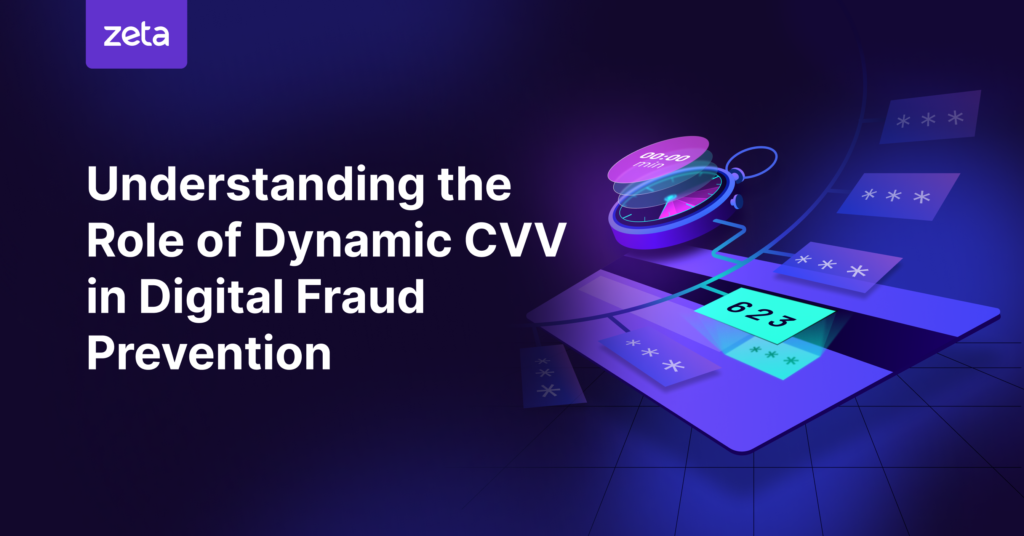
Payment cards have become an essential part of modern commerce. Consumers use debit and credit cards for online shopping, subscriptions stash patrick , travel bookings, mobile applications, and everyday purchases. As digital payments have expanded, however, payment-card information has also become a target for fraudsters.
One piece of information frequently discussed in payment security is the Card Verification Value, commonly known as CVV or CVC. stashpatrick.cc Understanding what this security code is, how it is used, and why criminals attempt to obtain it can help consumers and businesses make safer decisions online.
What Is a CVV?
A CVV is a security code associated with a payment card. Depending on the card network and region, it may be called CVV, CVC, or another similar term.
For many cards, the security code is a three-digit number printed on the back of the card. Some payment networks use a different format or location.
The CVV provides an additional verification element during certain card-not-present transactions. Because it is not normally embossed or encoded in the same way as the primary card number, merchants may use it as one additional signal when assessing a payment.
However, a CVV should not be considered a complete security solution. Criminals may attempt to obtain card numbers, expiration dates, security codes, and other personal information through different forms of fraud.
Why CVV Information Matters
Payment information can have financial value. If criminals obtain enough card details, they may attempt unauthorized transactions.
The risk is particularly relevant to online purchases because the physical card may not need to be presented. This is known as a card-not-present transaction.
A criminal who obtains payment information through phishing, malware, compromised websites, or other methods may attempt to use that information for fraudulent activity.
This is why consumers should treat CVV information as sensitive financial information.
How Criminals Try to Obtain Payment Information
Payment-card fraud can begin in several ways. One common method is phishing.
A fraudulent message may imitate a bank, retailer, delivery company, payment provider, or other familiar organization. The message may direct the recipient to a fake website that asks for card information.
Social engineering is another important threat. Instead of exploiting a technical vulnerability, an attacker may attempt to persuade a person to voluntarily reveal information.
Malware can also play a role. Certain malicious programs are designed to steal information from compromised devices.
Data breaches represent another risk. If a business storing customer information experiences a security incident, information may potentially be exposed without the individual knowingly sharing it with criminals.
Fake Payment Pages
Fraudulent payment pages can be difficult to distinguish from legitimate pages at first glance.
A fake page may copy the branding, colors, logos, and layout of a genuine business. It may ask users to enter a card number, expiration date, CVV, address, and other details.
Consumers should therefore avoid entering payment information after clicking unexpected links in emails, text messages, or social-media messages.
When making a legitimate purchase, users should preferably navigate directly to the merchant’s known website or use its official application rather than relying on an unfamiliar link.
CVV Does Not Guarantee Security
Although CVV verification can provide an additional layer of protection, it does not guarantee that a transaction is legitimate.
Modern payment security uses multiple signals to assess transactions. These may include transaction history, device information, location-related signals, authentication, merchant information, and behavioral patterns.
Financial institutions may also use automated fraud-detection systems to identify unusual activity.
Consumers should therefore avoid assuming that a transaction is safe simply because a website asks for a CVV.
Protecting Your CVV
Consumers can take several simple steps to protect their payment-card information.
First, avoid sharing card details through email, messaging applications, or social media. Legitimate organizations generally have established secure channels for handling payment information.
Second, be cautious about unfamiliar websites. Before entering payment details, verify the domain and ensure that the transaction is taking place through a legitimate service.
Third, do not store card information unnecessarily on unfamiliar websites.
Finally, protect physical cards carefully. Someone who gains access to the card may obtain information that can be useful in combination with other stolen data.
Use Transaction Alerts
Transaction notifications are an effective way to identify suspicious activity quickly.
Many banks and card issuers allow customers to receive alerts when purchases occur. These notifications can help consumers recognize transactions they do not remember making.
Regularly reviewing account statements is also important. Small unfamiliar transactions should not automatically be ignored, because fraudulent activity can sometimes begin with relatively small charges.
If an unfamiliar transaction appears, consumers should contact their financial institution through an official phone number, website, or application.
The Importance of Strong Account Security
Payment security is connected to broader digital security.
A compromised email account can sometimes be used to reset passwords or intercept important communications. For this reason, email accounts should be protected with unique passwords and multi-factor authentication.
Users should also avoid reusing passwords across different websites. If one service experiences a data breach, reused credentials can potentially expose other accounts.
Keeping devices and browsers updated provides another layer of protection against known security vulnerabilities.
Businesses Have Responsibilities Too
Consumers are not solely responsible for payment security. Businesses that accept card payments also play an important role.
Organizations should use appropriate payment-security controls, protect customer information, monitor transactions for suspicious behavior, and follow applicable payment-security standards.
Businesses should also minimize the amount of sensitive payment information they retain. Reducing unnecessary storage can reduce the potential impact of a security incident.
Employee training is another important component. Staff members should understand phishing, social engineering, suspicious requests, and proper handling of customer information.
What to Do If Your CVV May Be Compromised
If a consumer believes that card information has been exposed, they should contact their card issuer through an official channel.
The financial institution can explain appropriate next steps, which may include monitoring transactions, replacing the card, or taking other protective measures.
Consumers should also review recent transactions and watch for unfamiliar activity.
If the suspected exposure involved an online account, changing the associated password may also be appropriate, particularly when that password was reused elsewhere.
Acting promptly can help limit the potential consequences of financial information exposure.
Common Warning Signs of Payment Fraud
Several warning signs should encourage additional caution.
These include unexpected requests for card information, urgent payment demands, unfamiliar login pages, suspicious links, unusual discounts, and websites that request more financial information than necessary.
Users should also be cautious when someone asks them to provide a CVV or other financial credential through an informal communication channel.
When in doubt, contact the relevant bank, card issuer, or merchant independently rather than responding to the original request.
The Future of Payment Security
Payment security continues to evolve as digital commerce expands. Technologies such as tokenization, stronger authentication, mobile wallets, and automated fraud detection are designed to reduce exposure to sensitive payment information.
Tokenization can replace sensitive card details with alternative payment tokens during transactions. This can reduce the need for merchants to handle actual card numbers directly.
Digital wallets can also provide additional security mechanisms, depending on the provider and transaction environment.
Despite these advances, consumer awareness remains important. Technology works best when combined with cautious online behavior.
Conclusion
CVV information is an important component of payment-card security, but it should never be treated as a guarantee against fraud. Criminals may attempt to obtain payment information through phishing, fake websites, malware, social engineering, and data breaches.
Consumers can reduce their exposure by protecting card details, avoiding suspicious links, using secure payment channels, enabling transaction alerts, maintaining strong account security, and monitoring financial activity.
Businesses also have an important responsibility to protect payment information and implement appropriate security controls.
In the digital age, payment security depends on multiple layers of protection. Understanding what CVV information represents and why criminals target payment credentials gives consumers a stronger foundation for recognizing suspicious activity and protecting their financial information.
