

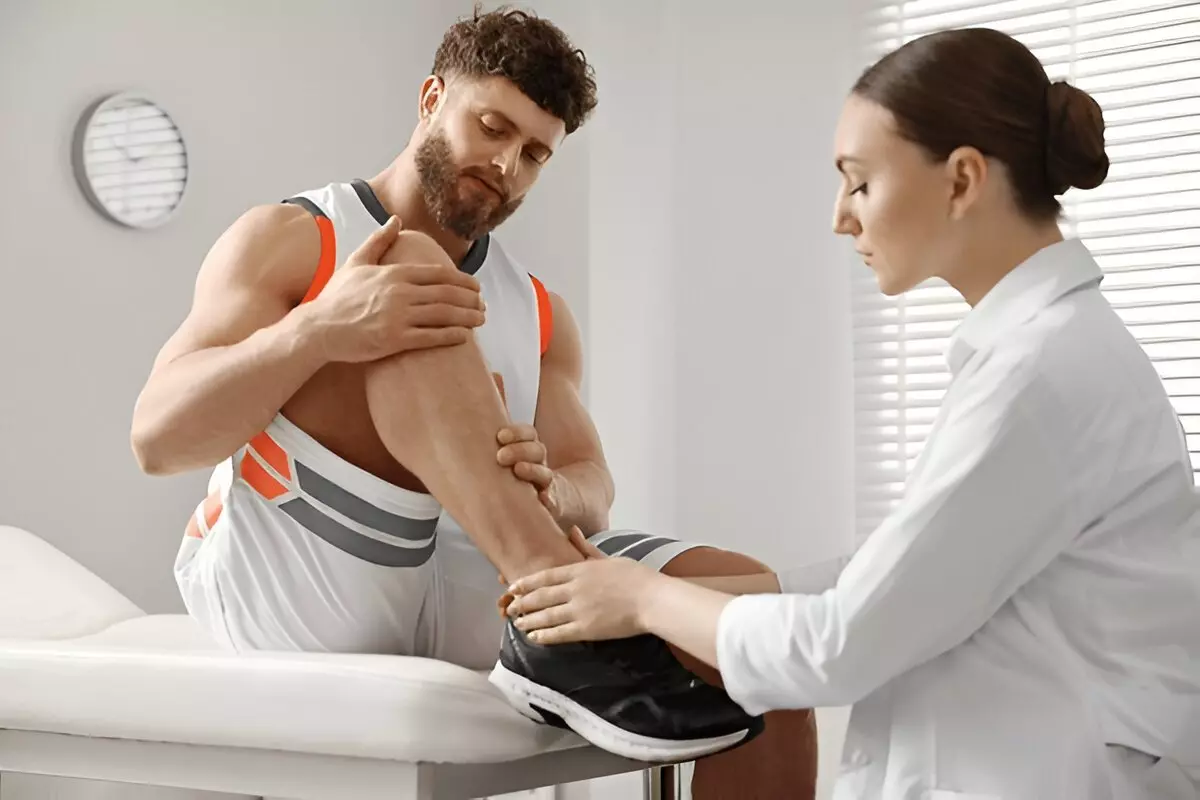
Athletes place enormous demands on their bodies. High-intensity training, sudden directional changes, and repetitive movement can easily lead to muscle strain, ligament damage, and joint pain. Recovery after an injury is not only about rest. Proper rehabilitation plays a major role in helping the body regain strength, mobility, and stability. When recovery is guided correctly, athletes can return to their sport stronger and more resilient than before.
Sports injuries vary widely in severity and type. Some may involve minor muscle strains, while others affect joints, tendons, or ligaments. Regardless of the injury type, structured rehabilitation ensures that healing tissues are protected while gradually restoring normal movement. Without professional guidance, athletes often risk reinjury or prolonged recovery times. Physiotherapy focuses on restoring function, improving flexibility, and strengthening muscles that support the injured area.
Understanding the impact of sports injuries
Sports injuries affect not only physical performance but also confidence and mental focus. Pain, stiffness, and limited mobility can prevent athletes from training effectively. Even everyday activities may become uncomfortable. Addressing these issues requires a well-planned recovery program designed around the specific injury and the individual athlete.
Physiotherapy begins with a thorough assessment of the injured area. Range of motion, muscle strength, joint stability, and movement patterns are carefully evaluated. This detailed analysis allows practitioners to design a treatment plan that targets the root cause of the problem rather than just the symptoms.
Treatment may involve manual therapy, mobility exercises, strength training, and rehabilitation techniques aimed at gradually rebuilding function. Over time, this process helps reduce pain and improves movement efficiency, allowing athletes to regain confidence in their physical abilities.
Restoring strength and mobility through guided therapy
Effective recovery requires more than waiting for tissues to heal naturally. Muscles surrounding the injured area often weaken during recovery, which can increase the likelihood of future injuries. Physiotherapy focuses on rebuilding strength in a controlled and progressive way.
Exercises may include targeted stretching to improve flexibility, resistance training to rebuild muscle strength, and balance work to improve coordination. Each phase of rehabilitation is carefully monitored to ensure that the body adapts safely to increasing levels of activity.
Many treatment programs also incorporate techniques that reduce inflammation and improve circulation. These methods help accelerate healing while ensuring that the injured area receives the support it needs during the recovery process.
Athletes working with Professional physiotherapy Sydney providers such as Sydney Physiotherapy often benefit from structured programs that combine manual therapy with customized rehabilitation exercises. This integrated approach ensures that recovery focuses not only on healing the injury but also on improving overall movement mechanics.
Preventing future injuries through better movement
One of the greatest advantages of physiotherapy is injury prevention. Once an athlete has experienced an injury, the likelihood of recurrence can increase if underlying issues are not addressed. Physiotherapists evaluate movement patterns and muscle imbalances that may contribute to strain or joint instability.
Corrective exercises are designed to improve posture, alignment, and muscular coordination. Strengthening stabilizing muscles around joints helps distribute physical stress more evenly during athletic activity. Over time, this reduces strain on vulnerable areas of the body.
Education also plays an important role. Athletes learn proper warm-up routines, stretching techniques, and recovery strategies that support long-term physical health. Knowledge gained during rehabilitation often helps individuals train smarter and avoid common mistakes that lead to injury.
Research related to ACL injury prevention training programs highlights how targeted strengthening and neuromuscular exercises significantly reduce the risk of ligament injuries among athletes. Similar principles are frequently incorporated into physiotherapy programs designed for sports recovery.
Building confidence during the return to sport
Returning to sport after an injury can feel intimidating. Even when pain has decreased, athletes may worry about pushing their bodies too hard. Physiotherapy helps bridge the gap between recovery and performance by gradually reintroducing sport-specific movements.
Training programs often simulate real athletic activity while maintaining a safe environment for the recovering body. Sprint drills, agility exercises, and strength conditioning help restore the physical readiness needed for competitive performance.
Equally important is the mental aspect of recovery. As athletes regain strength and mobility through guided therapy, confidence naturally returns. This psychological boost plays a crucial role in achieving a successful and lasting recovery.
