

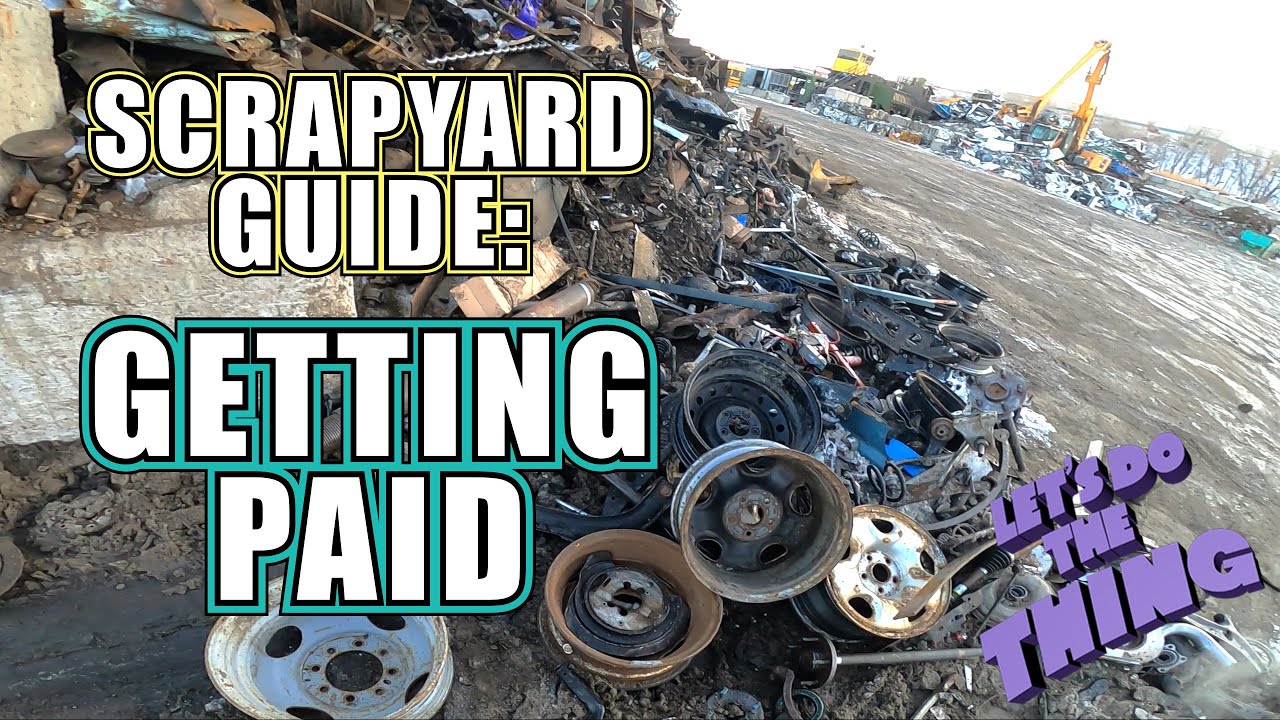
The modern world generates considerable quantities of waste, making recycling an essential component in reducing environmental impact. One effective way to contribute to recycling efforts is by earning cash for scrap metal. This article explores how individuals and businesses alike can turn their scrap metal into a profitable opportunity while promoting sustainability.
Understanding Scrap Metal
Scrap metal consists of various metallic materials that are no longer in use and are intended for recycling. Common types of scrap metal include aluminium, copper, steel, and brass. These metals can be found in everyday items such as old appliances, vehicles, household products, and construction materials. Understanding the kinds of metals you have will aid in determining their value.
Benefits of Recycling Scrap Metal
Recycling scrap metal offers numerous advantages. Environmentally, it helps conserve natural resources, reduces greenhouse gas emissions, and minimises landfill waste. Economically, it provides individuals and businesses with an extra income stream. Additionally, recycling metal requires significantly less energy compared to producing new metal from raw materials.
How to Identify Valuable Scrap Metal
Identifying valuable scrap metal requires a bit of knowledge and research. Metals like copper and brass are usually more valuable than steel or aluminium. To identify these metals, one should look at their colour, weight, and magnetic properties. Most ferrous metals, which contain iron, are magnetic and less valuable, whereas non-ferrous metals, such as copper and aluminium, are non-magnetic and more lucrative.
Preparing Scrap Metal for Sale
Proper preparation of scrap metal can significantly impact the price you receive. It is advisable to clean metals by removing any non-metal attachments. Metals should be sorted into different bins to ensure each type is accurately classified, which can lead to higher returns during the selling process.
Finding the Right Scrap Metal Dealers
Choosing a reputable scrap metal dealer is crucial for maximising returns. Research local dealers, compare prices, and read reviews to ensure that you are working with a trustworthy buyer. In Australia, there are many registered dealers who offer competitive pricing and even pick-up services for larger quantities of scrap metal.
Navigating the Legal Requirements
In many jurisdictions, selling scrap metal is regulated by law to prevent the sale of stolen goods. It is important to be aware of and comply with local regulations, such as providing identification when selling to a dealer and ensuring that the metal is legally obtained. Dealers may require documentation proving ownership or the source of the scrap metal.
Sustainability Impact of Scrap Metal Recycling
Beyond financial gain, recycling scrap metal significantly contributes to environmental sustainability. It reduces the demand for new metal production, conserves natural resources, and cuts down on pollution associated with mining and processing raw materials. Companies committed to sustainability are increasingly seeking to recycle metals, aligning with the growing emphasis on eco-friendly practices.
Investment Opportunities in Scrap Metal
For those interested in larger-scale operations, investing in scrap metal recycling can be a lucrative business opportunity. There is potential for growth as demand for recycled metal increases globally. Businesses can establish partnership with manufacturing companies that require large amounts of recycled metal, ensuring a steady market for their materials.
Impact on Local Communities
Scrap metal recycling positively impacts local communities by creating job opportunities and stimulating economic growth. Companies involved in metal recycling often engage with local communities by providing employment and supporting community-based recycling initiatives.
Economic Trends in Metal Recycling
The value of scrap metal can fluctuate due to global market trends. Staying informed about market forecasts can help sellers determine the best time to sell their metal to maximise profits. Economic reports and industry news can provide insights into the future demand for various metals.
Using Technology to Enhance Metal Recycling
Technology is playing a vital role in enhancing the efficiency of metal recycling processes. Advanced equipment for sorting and processing metals allows for quicker turnaround times and improves the purity of recycled materials. Investing in technology can be beneficial for both small-scale sellers and large recycling businesses.
Risks Associated with Scrap Metal Recycling
The main risks include price volatility, regulatory changes, and potential health hazards from improper handling of hazardous materials. Sellers should take appropriate safety measures such as using protective gear and adhering to health and safety guidelines during the recycling process.
Maximising Profits from Scrap Metal
To maximise profits, sellers should remain informed about the current prices of different types of metals, negotiate effectively with dealers, and continue to learn about market trends. Networking with others in the industry can provide valuable insights and tips.
The Future of Scrap Metal Recycling
With the increasing emphasis on sustainability, the future of scrap metal recycling looks promising. Innovation and collaboration among industries will be key drivers in enhancing recycling technologies, reducing waste, and meeting the global demand for sustainable metal production. Those involved in scrap metal recycling are positioned to play a critical role in achieving global environmental objectives.