

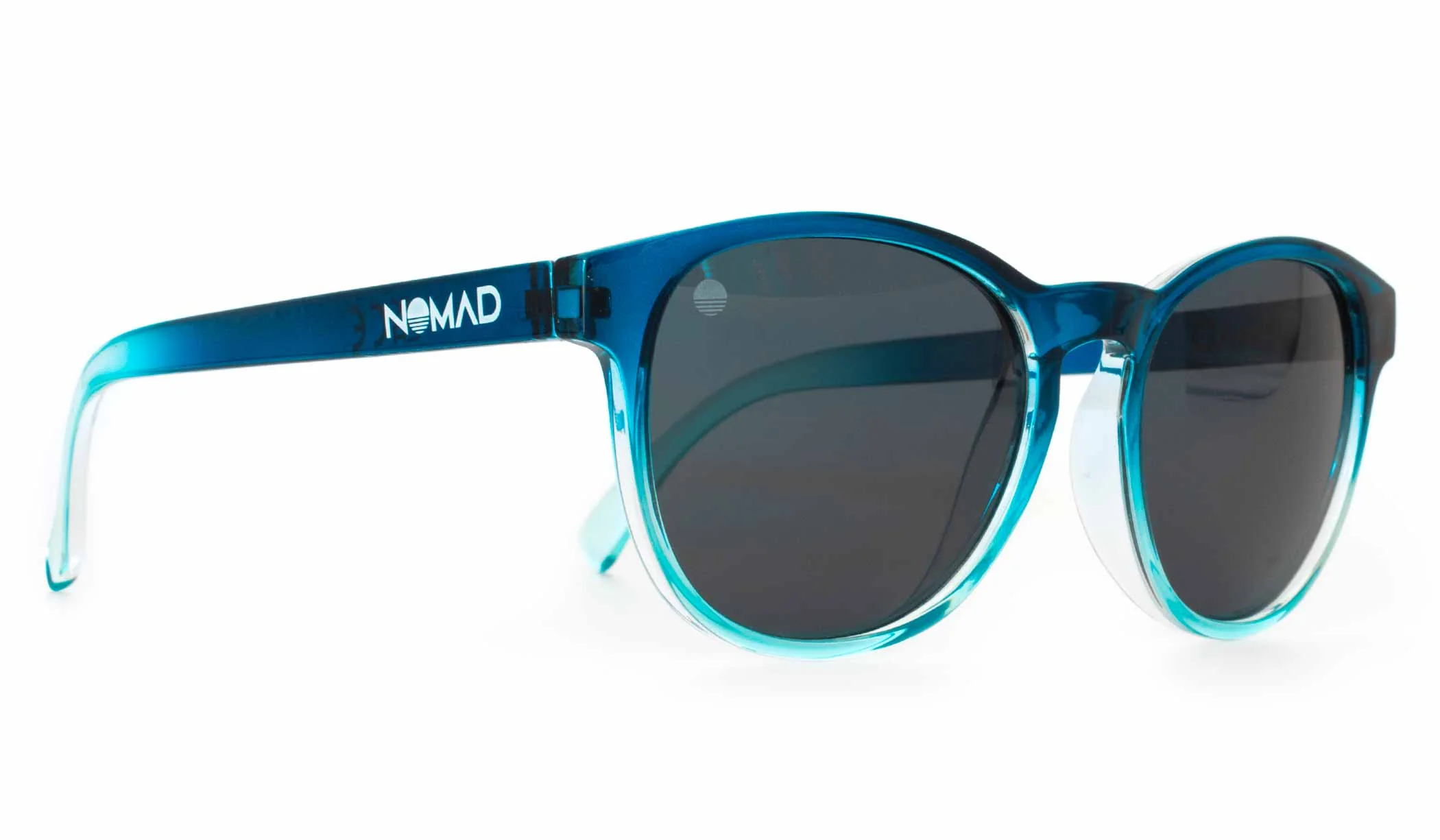
In recent years, the focus on environmental sustainability has prompted significant shifts in consumer behaviour. Among various industries adapting to this change, the eyewear sector has witnessed a burgeoning interest in sustainable options, particularly recycled sunglasses in Australia. This trend is seeing a remarkable upsurge, as both manufacturers and consumers in Australia become increasingly mindful of their ecological footprint.
The Growing Demand for Sustainable Fashion
The demand for sustainable fashion originates from a broader environmental consciousness and a particular desire to reduce waste. Consumers now place greater value on products that do not compromise the planet. In Australia, recycled sunglasses are becoming a popular choice as they embody both style and sustainability. These products not only reduce landfill waste but also encourage the repurposing of materials, thus contributing to a circular economy.
Understanding the Materials
One of the key aspects of recycled sunglasses is the innovative use of materials. Manufacturers are utilising materials such as recycled plastic, reclaimed metals, and even bio-based materials derived from plants. This approach not only reduces the demand for new raw materials but also ensures that existing materials are repurposed effectively, reducing overall environmental impact.
The Role of Technology and Innovation
Advanced technologies and innovation play a crucial role in the development of recycled sunglasses. Modern recycling processes allow for the efficient conversion of waste materials into high-quality raw materials suitable for eyewear production. Additionally, 3D printing technology is being utilised to create durable and customisable frames, further enhancing the appeal of recycled sunglasses.
Increasing Consumer Awareness
Consumer awareness about the adverse effects of plastic and other non-biodegradable materials is rising. Educational campaigns and media coverage have bolstered this awareness, leading to a heightened demand for eco-friendly options, including recycled sunglasses. Consumers are increasingly scrutinising brands to ensure they uphold ethical production standards and prioritise sustainability.
Governmental Support and Regulations
The Australian government has introduced various initiatives and regulations to encourage sustainable practices. Policies aimed at reducing plastic waste and promoting recycling efforts have created an environment conducive to the growth of products like recycled sunglasses. This governmental support is crucial to the sustainability movement within the fashion industry.
Challenges and Opportunities
Despite the positive trends, there are challenges associated with the production and marketing of recycled sunglasses. These include the potential higher costs of production and consumer misconceptions about the quality of recycled products. However, these challenges also present opportunities for companies to innovate and educate consumers about the benefits and quality standards of their products.
Leading Brands in the Market
Several brands in Australia have taken significant steps towards integrating sustainability into their product lines. They not only focus on design and functionality but also on ensuring that their materials and production methods are environmentally responsible. By offering products that look and feel good without compromising on ethics, these brands are setting industry standards.
The Future of Sustainable Eyewear
The future of sustainable eyewear in Australia looks promising as more consumers make conscious decisions about their purchases. As the demand for environmentally responsible products continues to rise, brands are likely to expand their sustainable offerings. This shift not only benefits the environment but also aligns with the growing trend towards ethical consumption.
The Broader Impact of Sustainable Practices
Embracing sustainable practices in the fashion industry extends beyond environmental benefits. It fosters economic growth through the development of new markets and job opportunities in recycling and eco-friendly production technologies. Furthermore, it affects societal values by instilling a sense of responsibility and mindfulness among consumers.
Conclusion
Recycled sunglasses represent a significant step towards achieving sustainability in the fashion industry. As awareness and demand grow, so does the capacity for innovation and change within the sector. Australia stands at the forefront of this movement, offering a variety of recycled sunglasses that cater to the environmentally conscious consumer. Through the combined efforts of consumers, companies, and governments, the momentum behind sustainable fashion continues to build.