

Have you ever noticed how your mood shifts when the sun finally breaks through the clouds after a long, rainy week? Or how energized you feel on a bright summer morning compared to a gloomy winter afternoon? It’s not just in your head—light has a profound impact on our biology.
For many of us, modern life means spending hours indoors under artificial lighting that doesn’t quite match the sun’s natural spectrum. This disconnect can leave us feeling sluggish, moody, or struggling to catch quality Z’s. This is where light therapy comes in. It’s a simple, non-invasive way to bring a little sunshine back into your routine, offering a host of benefits for your mental and physical well-being.
How Light Therapy Lamps Work
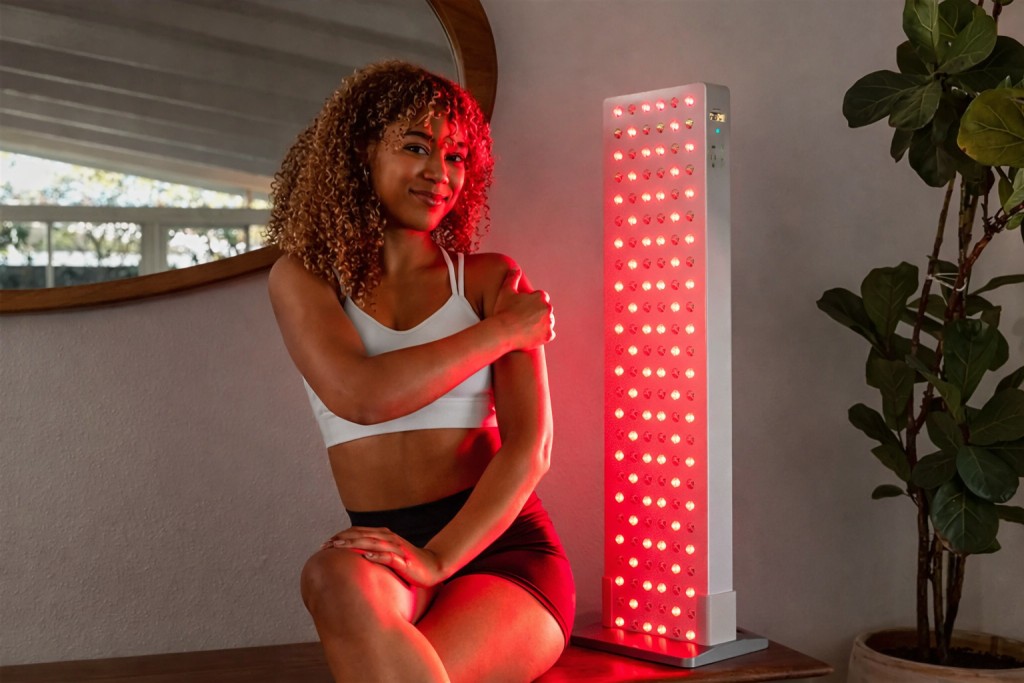
At its core, light therapy involves sitting near a device that mimics outdoor light. These light therapy lamps are designed to emit a bright light that simulates sunlight, minus the harmful ultraviolet (UV) rays.
The science behind this is fascinating. Our bodies run on an internal clock known as the circadian rhythm. This 24-hour cycle regulates everything from when we feel hungry to when we feel sleepy. The primary cue for this internal clock is light.
When bright light hits the retina in your eyes, it sends signals to the brain to suppress the production of melatonin (the hormone that makes you sleepy) and increase the production of serotonin (a hormone associated with boosting mood and focus). By using light therapy lamps, especially in the morning, you are essentially signaling to your brain that the day has started, helping to reset your circadian rhythm, shake off grogginess, and improve your overall alertness.
Using Light Therapy Lamps Effectively
While the concept is simple, getting the most out of light therapy requires a bit more than just flipping a switch. Here are some guidelines to help you integrate it effectively into your life.
Choosing the Right Lamp
Not all lamps are created equal. When shopping for light therapy lamps, look for one that offers an exposure of 10,000 lux. Lux is the measure of light intensity, and 10,000 is generally the standard recommendation for effective therapy. Also, ensure the lamp filters out UV light to protect your skin and eyes.
Tips for Daily Integration
- Time it right: For most people, the best time to use the lamp is usually within the first hour of waking up. This helps jumpstart your internal clock.
- Watch the distance: Position the lamp about 16 to 24 inches away from your face. You want the light to enter your eyes, but you shouldn’t stare directly into it.
- Multitask: You don’t need to sit and stare at the wall. You can read, eat breakfast, or check your emails while sitting by the lamp.
- Start slow: Begin with shorter sessions, around 10 to 15 minutes, and gradually work your way up to 30 minutes a day as you get used to the brightness.
Potential Side Effects and Precautions
Light therapy is generally safe for most people, but like any wellness tool, it’s not without potential downsides. Some users report mild side effects, especially when they first start. These can include eyestrain, headaches, nausea, or feeling a bit “wired” or irritable.
To minimize these risks, try moving the lamp further away or reducing your session time. If you experience persistent issues, take a break for a few days.
It is crucial to consult with a healthcare professional before starting light therapy, especially if you have a history of eye conditions (like glaucoma) or bipolar disorder, as bright light can sometimes trigger mania in susceptible individuals. A doctor can help tailor a plan that is safe and effective for your specific needs.
Embrace the Light for Better Wellness
Incorporating light therapy into your daily routine can be a game-changer for balancing your mood, sharpening your focus, and finally getting that restful sleep you’ve been craving. It’s a natural, drug-free way to align your body’s rhythm with the world around you.
If the winter blues have got you down, or you just feel out of sync, consider giving light therapy a try. A brighter, more energetic version of yourself might be just a switch away.
.
