

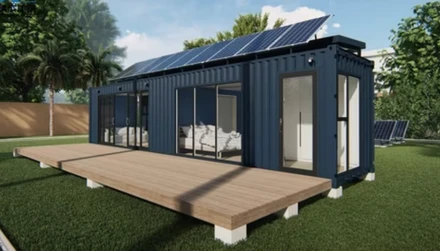
In recent years, the concept of container homes has gained significant popularity as a sustainable and innovative solution to modern housing challenges. Utilising recycled shipping containers, these homes offer a unique blend of eco-friendliness and contemporary aesthetics.
Container homes present a versatile alternative to traditional housing structures, reflecting a shift towards more sustainable living practices. By repurposing shipping containers, individuals can reduce waste and lower the carbon footprint associated with home construction.
Understanding Container Homes
Container homes are essentially residential structures made from steel shipping containers. These containers are robust, secure, and designed to withstand extreme conditions, making them ideal for residential use. With structural integrity and modular nature, they can be adapted to create cosy and functional living spaces.
The Environmental Benefits
One of the primary advantages of container homes is their positive environmental impact. Each unit upcycles a container that would otherwise be scrapped or left to rust, contributing to environmental degradation. This process not only saves resources but also significantly reduces construction waste.
Furthermore, the construction of a container home requires fewer materials than traditional buildings, further enhancing its green credentials. The steel structure provides a sturdy framework, minimising the need for additional external supports.
Cost-Effectiveness
Building a home from shipping containers is often more cost-effective than conventional construction projects. The affordability of containers, in comparison to standard building materials, allows for significant savings in both time and money.
Additionally, the prefabricated nature of containers means they can be quickly assembled on-site, reducing labour costs and construction time. This cost efficiency makes container homes an attractive option for first-time homebuyers and those seeking financial sustainability.
Design Flexibility
Container homes offer unparalleled design flexibility. Architects and builders can configure multiple containers in various ways to create tailor-made layouts. This flexibility allows homeowners to customise their living spaces to suit personal preferences and spatial requirements.
Furthermore, containers can be stacked or arranged in different patterns to extend the living area vertically or horizontally, providing ample opportunities for creative architectural designs.
Structural Durability
Shipping containers are engineered to be durable and resistant to harsh environmental conditions. Built to withstand heavy loads and rough handling, they offer a robust foundation for constructing a home.
The resilience of these containers ensures that homes built from them can endure natural elements such as earthquakes, hurricanes, and even fires. This durability extends the lifespan of the property, ensuring it remains a viable housing option for decades.
Challenges and Considerations
While container homes offer numerous benefits, there are challenges to consider. For instance, containers can heat up quickly due to their metal structure, requiring proper insulation to maintain comfortable temperatures inside.
Moreover, securing building permits for container homes can be problematic in regions where this construction method is not yet widely recognised or accepted. It is crucial to check local regulations and zoning laws before commencing a project.
Innovative Solutions
Despite these challenges, innovative solutions exist to address the limitations of container homes. Modern insulation materials and techniques can effectively manage thermal conductance, ensuring interior comfort regardless of external weather conditions.
In addition, with the growing popularity and advocacy for sustainable building practices, more regions are adapting their regulations to accommodate such innovative housing designs.
Conclusion
Container homes represent a forward-thinking approach to sustainable living by transforming industrial materials into appealing residential spaces. Their cost-effectiveness, environmental benefits, and design flexibility make them an attractive option for modern homebuyers. As awareness of eco-friendly housing grows, container homes will likely continue to evolve, offering innovative solutions to future living environments.
