

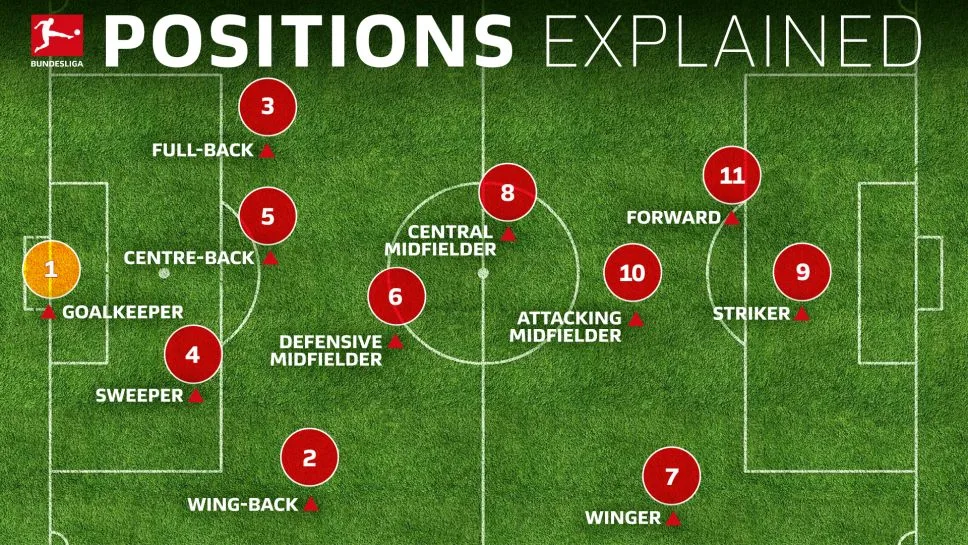
Attacking full-backs have become one of the most reliable engines of chance creation and corner volume in the Bundesliga, especially in high-pressing, territorially dominant teams. Understanding how their movements, crosses, and positioning convert possession into shots and set pieces is essential for anyone trying to read matches or quantify risk in the 2024/25 season.
Why attacking full-backs matter more than ever
Modern full-backs are no longer chained to the defensive line; they shuttle up and down the flank, often covering the full distance from their own box to the opponent’s penalty area. Coaches increasingly build their attacking structures around them because they can stretch the pitch horizontally while still recovering in transition, which makes them ideal tools for breaking presses and sustaining pressure. In the Bundesliga, where several teams push their defensive line high and compress play into the opposition half, this constant forward involvement turns full-backs into primary sources of wide entries, cut-backs, and repeated corner situations.
How full-backs turn width into shooting opportunities
The core mechanism is simple: the full-back provides extreme width, receives facing forward, and either delivers an early cross or drives inside to combine. When wingers move into half-spaces, full-backs overlap or underlap, forcing defenders into uncomfortable two‑versus‑one decisions that often end in blocked crosses, deflections, or clearances behind for corners. In the Bundesliga’s 2024/25 tactical landscape, where pressing intensity encourages quick switches of play, the second or third switch to a free full-back frequently leads directly to a cross or cut-back that becomes a shot or a big chance.
Corners as an outcome of territorial full-back play
A high-volume corner profile usually comes from teams who pin opponents deep and repeatedly attack from wide zones. Bundesliga sides that dominate the ball and advance their full-backs aggressively tend to accumulate large totals of corners over a season, as defenders block low crosses or clear aerial deliveries under pressure. Over time, patterns emerge where certain full‑backs are responsible for a disproportionate share of the actions immediately preceding corners, whether that is dribbling past the first line, forcing blocks, or being the outlet on switches that stretch the back line.
Tactical patterns that amplify full-back influence
Several recurring patterns explain why some full-backs generate more shots and corners than others in the league. First, teams using aggressive overlapping full-backs against narrow defensive blocks consistently create overloads near the touchline, which either free the crosser or invite desperate last‑ditch interventions. Second, sides that favour crossing as a primary chance‑creation method naturally funnel more touches to their full-backs in advanced zones, which raises both shot volume and the likelihood of deflections and clearances into touch or behind the byline.
Mechanism: from overlap to corner in three actions
A typical sequence begins with a centre-back or pivot switching play to the far-side full-back, who has stayed high and wide to receive in space. As he drives forward, the winger moves inside, dragging the opposing full-back with him and leaving the wide channel open for the overlap, which forces the defending wide midfielder to sprint back and defend facing his own goal. The resulting cross is often contested in a crowded box; if it is blocked or headed away under pressure, the ball frequently goes over the goal line for a corner, particularly when the attacking side has committed multiple players into the area.
Reading full-back behaviour from a data-driven betting angle
For bettors who rely on quantitative signals, full-back usage becomes a proxy for both chance creation and corner potential in the Bundesliga. Tracking metrics such as crosses per 90, progressive runs, and big chances created by full-backs helps distinguish teams that will sustain attacks from those that rely on isolated counter-attacks. When these figures align with team-level corner stats and possession profiles, they indicate matches where attacking full-backs are likely to generate sustained pressure, repeated deliveries, and consequently elevated shots and corners.
In situations where someone wants to apply this logic on a real betting destination, one option is to combine full-back statistics with match corner lines to frame specific scenarios on ยูฟ่าเบท, focusing less on team names and more on how flank dynamics translate into measurable events over ninety minutes. The key is to treat the site’s numbers as a reflection of tactical risk: heavy favourite, high-possession teams with adventurous full-backs generally support higher corner expectations, while underdogs defending deep with conservative wide defenders tend to pull those expectations down. By constantly comparing pre-match prices to what full-back involvement suggests about territory and delivery volume, bettors can better judge whether markets overreact to headline strikers and undervalue wide play.
When attacking full-backs fail to create value
The attacking full-back model does not always translate into more shots or corners, and understanding these failure modes is crucial. If a team’s wingers stay glued to the touchline and refuse to move inside, the full-back’s overlaps become redundant, resulting in predictable straight-line attacks that opponents can double up on and shepherd away from goal rather than into blocks. Additionally, when coaches instruct full-backs to invert into midfield instead of running outside, the team may gain control of central zones but sacrifice the kind of byline crosses and forced clearances that usually inflate corner counts.
Contexts where corners spike versus stay flat
Corner volume linked to full-back play is highly context-dependent, even within the same league and season. Against low blocks that defend deep, aggressive full-backs tend to rack up corners because defenders have little space behind them and are happy to concede restarts rather than allow clean crosses into central areas. Conversely, in end‑to‑end games where both sides counter quickly, full-backs may spend more time sprinting back than overlapping, which can increase shots through transitions but reduce the sustained wide pressure needed to produce a steady stream of corners.
In another scenario, someone assessing live play on a separate casino online environment may see that full-backs are repeatedly forced inside rather than reaching the byline, suggesting that the anticipated corner-heavy script is not materialising even if overall shot numbers remain healthy. That discrepancy between total attempts and set-piece volume often reflects subtle tactical adjustments: wingers staying wider to cross themselves, central overloads replacing flank combinations, or opponents cleverly blocking the passing lane to the overlapping defender. Recognising these shifts early is vital, because they change the distribution of attacking outcomes without obviously altering possession or xG totals on the scoreboard feeds most users watch.
Summary
Attacking full-backs in the 2024/25 Bundesliga are central to how teams transform width and possession into shots and corner kicks, especially in systems based on high pressing and territorial dominance. Their overlaps, crosses, and underlaps create the kind of blocked deliveries and rushed clearances that inflate corner counts, but this effect depends heavily on winger positioning, opposition shape, and whether coaches favour wide attacks over inverted patterns. For data-aware observers and bettors, integrating full-back activity with team corner and chance-creation metrics offers a sharper understanding of when this tactical trend will produce measurable value and when it will quietly fade into background noise.
