

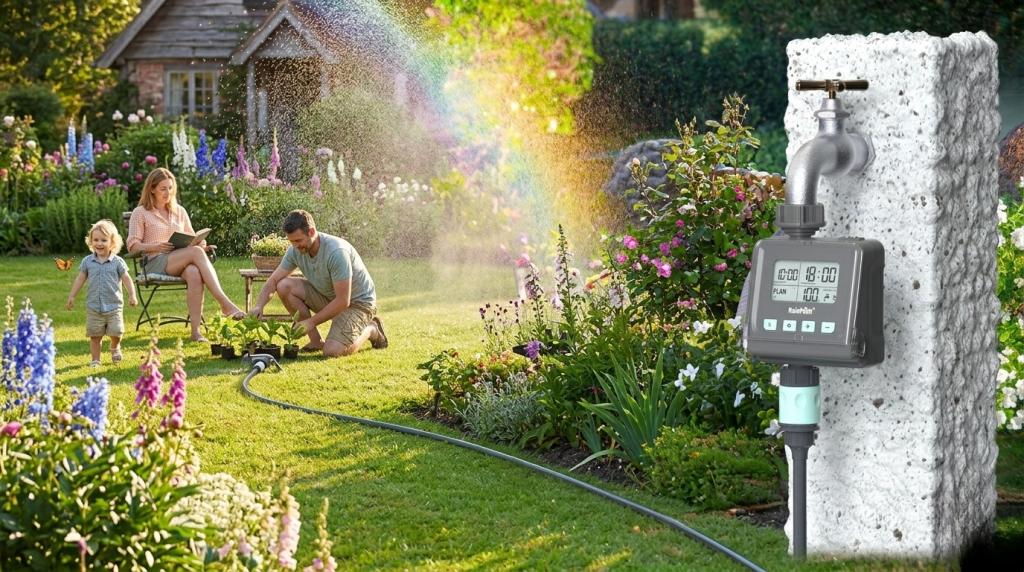
Spring is a season full of potential for growing vegetables, offering the perfect conditions for a thriving garden. However, successful vegetable gardening requires careful planning and attention to detail. Whether you’re a seasoned gardener or a beginner, using tools like sprinkler irrigation timers can help you achieve the best results. These tools can help monitor soil temperature and manage water use, ensuring your plants grow in optimal conditions. Here’s how to grow vegetables in the spring with these essential tools.
1. Choose the Right Vegetables for Spring
Not all vegetables are suited to spring, as each has different temperature preferences. When selecting vegetables for your spring garden, focus on varieties that thrive in cool to moderate temperatures. Some great options for spring planting include:
- Peas: These are hardy and prefer cooler weather.
- Lettuce: A cool-season vegetable, lettuce grows best in spring before the weather gets too hot.
- Spinach: Like lettuce, spinach prefers the cool temperatures of spring and will bolt (go to seed) if it gets too hot.
- Radishes: These root vegetables grow quickly and are well-suited for spring.
- Carrots: Carrots also thrive in the spring, especially in loose, well-drained soil.
By selecting vegetables that suit spring conditions, you ensure a successful growing season.
2. Prepare the Soil
Soil preparation is the foundation of a thriving spring garden. Clear your bed, add compost, and enrich the soil before planting.
Preparing the soil is essential for a healthy home vegetable garden because it improves soil structure, ensuring proper drainage and aeration for plant roots. It also enriches the soil with nutrients that help vegetables grow strong and produce well. Well-prepared soil helps plants establish faster and supports consistent, healthy growth. To maintain this progress throughout the growing season, gardeners can rely on organized resources like Feed Schedules, which provide helpful guidance on when and how to nourish plants for optimal results.
3. Plant the Seeds
Once your soil is ready, follow the instructions on the seed packets for planting depth and spacing. It’s important to plant your seeds at the correct depth to give them the best chance of germinating and growing strong. After planting, water the seeds immediately to help them germinate.
To maintain consistent moisture levels, use the sprinkler irrigation timer. Set it to water your garden in short, frequent intervals to keep the soil moist but not soggy. This is particularly important in the spring, when temperatures can fluctuate, and soil moisture can vary rapidly.
4. Provide Adequate Sunlight
Most vegetables require at least 6-8 hours of sunlight per day to thrive. Choose a location for your garden that receives plenty of direct sunlight. If you’re growing vegetables indoors or in a shaded area, consider using a grow light to supplement natural sunlight. This will help your plants grow strong and healthy, preventing them from becoming leggy or weak due to insufficient light.
5. Water Regularly
Watering is one of the most crucial aspects of vegetable gardening, and the sprinkler irrigation timer is an invaluable tool for maintaining proper moisture levels. Set your timer to water the plants early in the morning or late in the evening when temperatures are cooler. This helps prevent the water from evaporating too quickly under the midday sun.
Most vegetables typically require 1-2 inches of water per week, depending on soil type, temperature, and rainfall. Using your irrigation timer to monitor water levels ensures that your garden receives consistent moisture without over-watering, which can lead to root rot or fungal diseases.
6. Monitor the Temperature
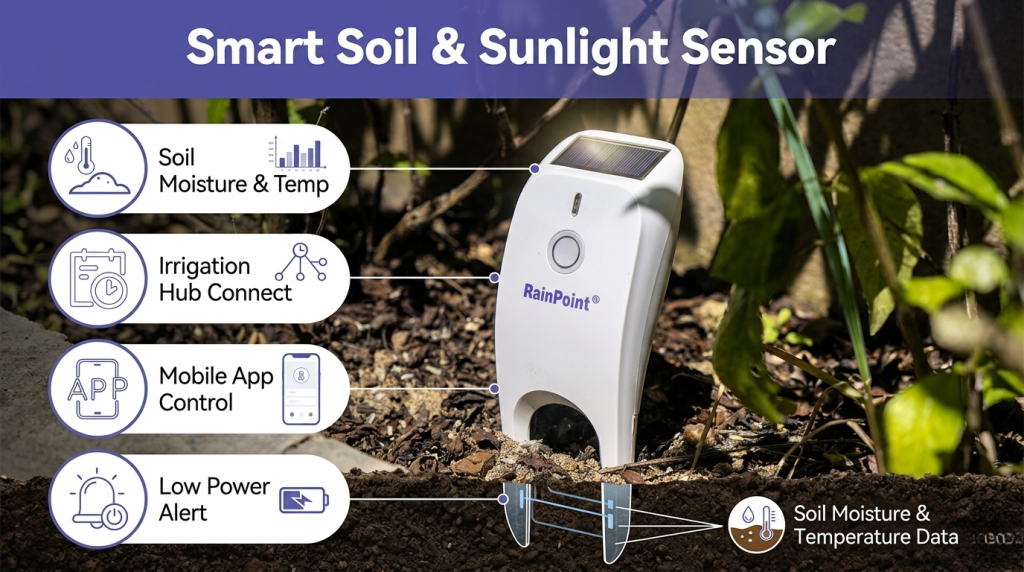
Temperature directly impacts how well your vegetables grow. The RainPoint Wi-Fi Soil Moisture & Temperature Monitor tracks soil temperature, moisture, and daylight levels in real time, giving you everything needed for healthy plant development.
Cool-weather crops like lettuce prefer lower temperatures, while tomatoes and peppers demand warmth. With live smartphone alerts, you can react instantly to cold snaps and protect your plants before damage occurs.
7. Harvest at the Right Time
Spring vegetables typically mature in a few weeks to a few months, depending on the variety. For example, radishes may be ready to harvest in as little as 30 days, while carrots may take a bit longer.
Before harvesting, check the temperature to ensure that the weather conditions are ideal. Some vegetables, such as lettuce, spinach, and radishes, can become bitter or tough if harvested during hot weather. To avoid this, harvest early in the morning when temperatures are cooler.
Conclusion
Growing vegetables this spring is deeply rewarding — and even more successful with the right tools. The RainPoint Irrigation Timer ensures your plants receive consistent, precise watering, while the RainPoint Wi-Fi Soil Moisture & Temperature Monitor keeps you informed on soil health in real time. Together, these two tools take the guesswork out of gardening and help deliver a truly bountiful harvest.
Visit Us: baldrelectronics.com