

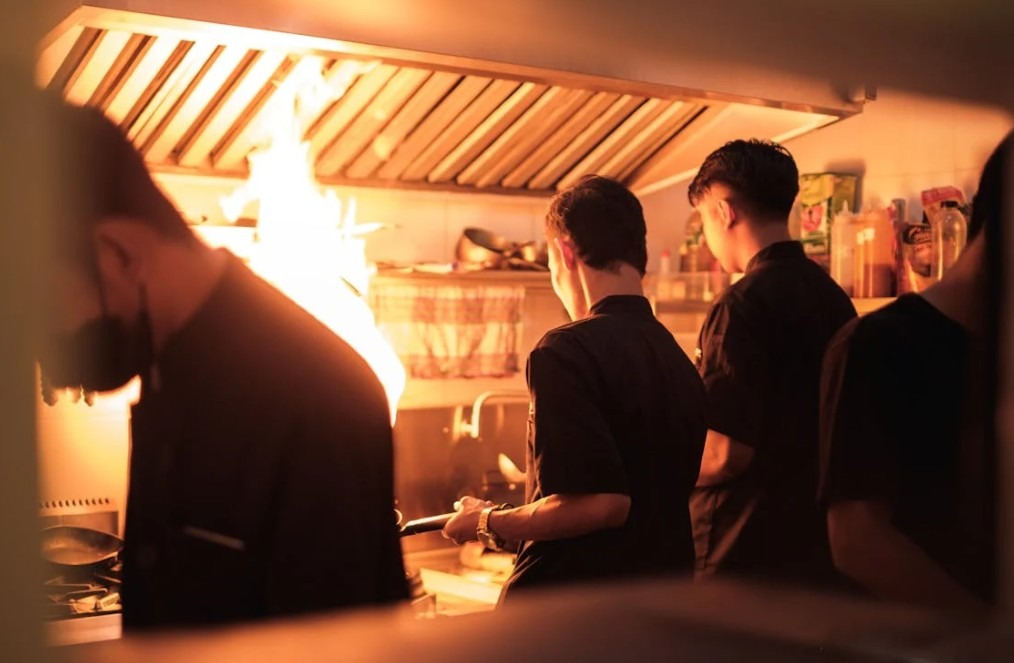
Running a restaurant sounds glamorous from the outside. You imagine busy dining rooms, perfectly plated dishes, clinking glasses, and a constant flow of happy customers. And yes, those moments do exist. But they sit on top of something far more complicated-long hours, tight margins, split-second decisions, and a level of pressure that rarely switches off.
The reality is less polished and more human. It’s early mornings before suppliers arrive. It’s late nights when the last table leaves and the team still has to reset everything for tomorrow. It’s balancing creativity with cost. And above all, it’s trying to make hospitality feel effortless when nothing about it actually is.
So what does it really take to keep a restaurant alive, relevant, and consistent in a world where diners expect more than ever?
Let’s step inside.
The Invisible Work Behind Every Plate
Most guests see the final product: the dish. What they don’t see is the chain of decisions behind it.
Menu design isn’t just creative-it’s strategic. Ingredient costs shift weekly. Supplier availability changes with weather. Staff schedules need constant adjustment. A dish that looks simple on paper might take months to refine for consistency.
This is where restaurants like Santos + Co quietly show how vision meets practicality.
Positioned around modern Portuguese dining in the UK, the concept blends heritage flavours with locally sourced ingredients, which immediately introduces a balancing act.
How do you honour tradition while adapting to local supply chains? How do you keep a petiscos-style menu consistent while ingredient prices move up and down?
A key takeaway is this: restaurant owners are constantly editing. Nothing stays fixed for long. Even a signature dish evolves slightly over time to stay viable.
And yet, diners rarely notice. That’s the skill.
Kitchens Run on Timing, Not Inspiration
There’s a romantic idea that chefs cook based on inspiration alone. The truth is far more structured.
Kitchens run on timing systems, prep lists, and repetition. Every service is a performance with no rehearsals. If one station falls behind, the entire room feels it.
Interestingly, hospitality research often highlights timing as one of the strongest predictors of guest satisfaction-not just food quality. People forgive small flaws. They rarely forgive slow service during peak hours.
This pressure intensifies in hybrid venues where food and entertainment collide.
Take Musica. It operates as both a live music venue in Bracknell and a casual dining space with sharing plates and cocktails. That combination sounds fun-and it is-but behind the scenes, it requires precise coordination.
Food service has to sync with live performances. Orders peak between sets. The kitchen adjusts pacing based on crowd movement. A DJ might extend a set, or a band might bring in a sudden rush.
It’s not chaotic-it’s controlled unpredictability. And that’s something most guests never think about while enjoying the atmosphere.
One staff member once described it simply: “You’re not just cooking dinner. You’re timing an experience.”
Money Talk: The Part No One Sees
Restaurants don’t fail because of one big mistake. They usually fail because of a thousand small financial pressures stacking up.
Rent increases. Energy bills. Ingredient costs. Staff wages. Delivery commissions. Equipment breakdowns. It adds up quickly.
Margins in hospitality are famously thin. Industry commentary from groups like the UKHospitality often highlights how even successful venues operate on tight profitability windows.
That means every decision matters. A slightly more expensive ingredient. A slow week of bookings. A supplier delay that forces menu changes.
Yet restaurants still take risks. They introduce new dishes. They invest in design. They expand concepts. Why? Because standing still is often riskier than moving forward.
The Guest Experience vs Operational Reality
From the outside, dining feels seamless. From inside, it’s constant problem-solving.
A table runs late. A supplier misses a delivery. A booking system overbooks by two seats. A staff member calls in sick. None of these are dramatic individually. But together, they shape the entire service.
Hospitality teams learn to adapt quickly. Notably, adaptability is now considered one of the most important skills in restaurant leadership, especially post-pandemic.
And yet, despite all of this, guests still expect calm, warmth, and consistency. That tension never disappears.
This is why even simple concepts require strong structure.
Consider Iford Tandoori– a local Indian restaurant in Bournemouth offering takeaway and dine-in service, it operates in one of the most demanding formats in hospitality: high-volume, high-expectation, and fast turnaround.
Orders come in continuously. Delivery timing matters just as much as dine-in flow. Spice levels must remain consistent across hundreds of dishes a week. And yet customers expect every meal to feel freshly prepared.
Behind that reliability is repetition, training, and systems most diners never see. The phrase “consistent Indian takeaway near me” might sound simple, but delivering it daily is anything but.
Creativity Has to Survive Structure
One of the biggest misconceptions about restaurants is that creativity is unlimited.
In reality, creativity is shaped by constraints.
Chefs work within budgets. They design menus around supplier networks. They adjust based on seasonal availability. Even plating is influenced by speed of service during peak hours.
But constraints don’t kill creativity-they refine it.
A chef might discover a better version of a dish simply because an ingredient becomes unavailable. Or a menu might become stronger after being simplified for operational clarity.
There’s a kind of quiet evolution happening constantly in kitchens. Diners don’t always see it, but they taste its results.
Staff Culture: The Backbone of Everything
If there’s one thing that determines whether a restaurant survives long-term, it’s not just food. It’s people.
Front-of-house staff set the tone. Kitchen teams maintain rhythm. Managers hold everything together when pressure builds.
But hospitality work is demanding. Long shifts, weekends, and emotional labour come with the job. Retention becomes as important as recruitment.
A strong restaurant culture doesn’t happen by accident. It’s built through communication, trust, and shared pressure.
And when it works, guests feel it immediately-even if they can’t explain why.
The Pressure of Modern Expectations
Today’s diners expect more than ever: faster service, better value, aesthetic interiors, dietary flexibility, and memorable experiences.
Social media has amplified this. A dish isn’t just eaten anymore-it’s photographed, reviewed, and shared.
That adds another layer of pressure on restaurants. Presentation now matters almost as much as taste.
Yet most operators try to strike balance rather than chase perfection. Because perfection isn’t sustainable. Consistency is.
Why Restaurants Keep Going Anyway
So why do people still open restaurants knowing all this?
Because when it works, it’s worth it.
A full dining room at peak service. A dish that lands exactly as intended. A customer returning because they felt something-not just ate something.
Those moments carry weight.
Hospitality, at its core, is emotional work. It’s about creating brief experiences where people feel looked after, surprised, or simply relaxed.
And despite all the pressure behind the scenes, that’s what keeps the industry moving forward.
Final Thoughts: The Reality Is the Point
The reality of running a restaurant isn’t polished, and it’s not supposed to be.
It’s layered, unpredictable, and constantly changing. It demands discipline and creativity in equal measure. It asks people to solve problems while still making everything look effortless.
From Portuguese-inspired dining concepts like Santos + Co, to live music and casual dining spaces like Musica in Bracknell, to reliable local favourites such as Iford Tandoori in Bournemouth, every restaurant operates within its own version of this reality. Different formats, same underlying challenge: keep it consistent, keep it human, keep it alive.
And maybe that’s the most interesting part. Restaurants aren’t just places to eat. They’re systems of people, pressure, creativity, and care-working in real time, every single day.
So next time a meal feels seamless, it might be worth remembering: that ease is built on effort. And a lot of it.