

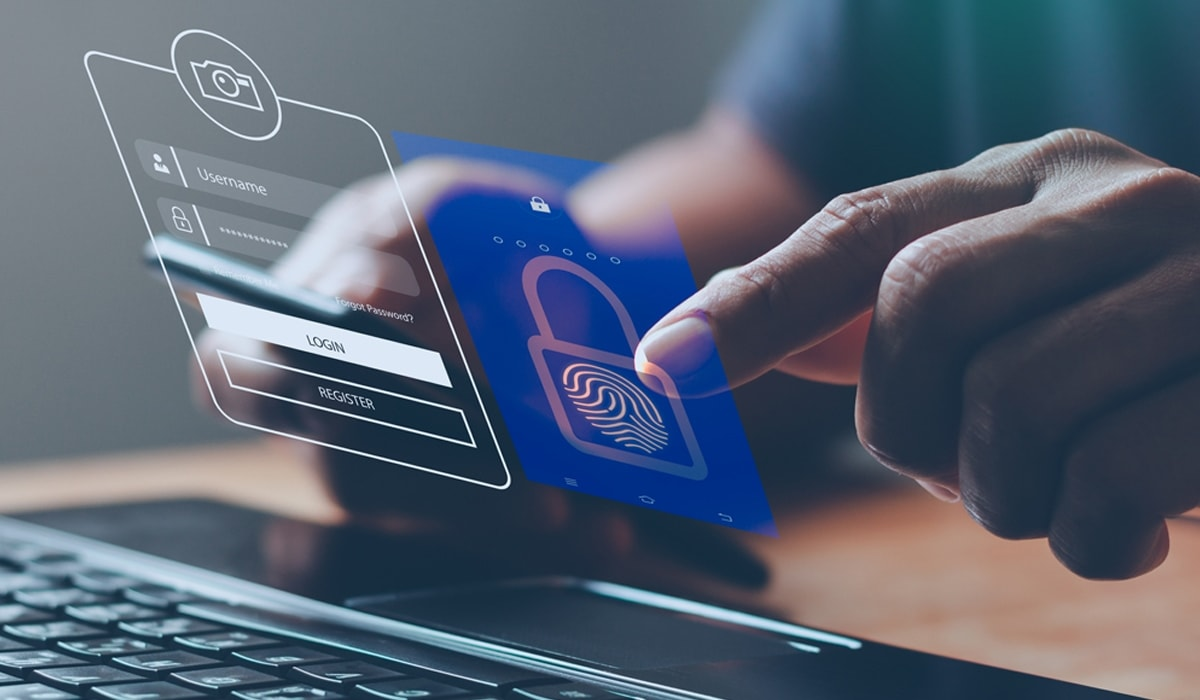
Opening doors, accessing accounts, and confirming identities without using passwords is already a reality for many people. Digital biometrics is gaining ground as one of the most important technologies for enhancing security in both physical and virtual environments. By utilizing an individual’s unique characteristics—such as fingerprints, facial recognition, and voice—these systems offer new, faster, and more convenient authentication methods.
The growth of biometrics is directly linked to the need to protect information in an increasingly connected world. With the rise of online transactions and internet-based data storage, traditional security methods have begun to show limitations. Passwords can be forgotten, shared, or compromised, whereas biometric traits offer an additional layer of protection.
Banks, technology companies, and government agencies already use biometric systems to streamline access and reduce fraud risks. On smartphones, for instance, fingerprint scanners and facial recognition have become standard features, allowing users to secure their devices simply and efficiently.
The expansion of the digital landscape has also brought a wide variety of services and platforms to diverse audiences. Beyond solutions focused on security, communication, and productivity, there are specific online experiences—such as 20Bet—that are part of the vast digital ecosystem created by technological evolution.
In the corporate world, biometrics is also transforming internal processes. Companies use this technology to control access to restricted areas, track employee attendance, and safeguard confidential information. This application enhances security and reduces reliance on traditional identification methods.
Despite the advantages, the advancement of digital biometrics necessitates important discussions regarding privacy and responsible data usage. Biometric data is highly personal and requires storage within systems that offer adequate protection. Companies and institutions must ensure transparency regarding the collection, storage, and use of this information.
The future of digital authentication holds promising new possibilities through the integration of biometrics and artificial intelligence. More advanced systems will be able to identify behavioral patterns, detect fraud attempts, and offer even higher levels of security. This combination of technology and data protection will be crucial for keeping pace with the evolution of an increasingly digital world.
Biometrics represents more than just an alternative to traditional passwords. It symbolizes a new phase in technological security, in which personal identity becomes an essential tool for protecting information, facilitating access, and making digital interactions more secure and trustworthy.
