

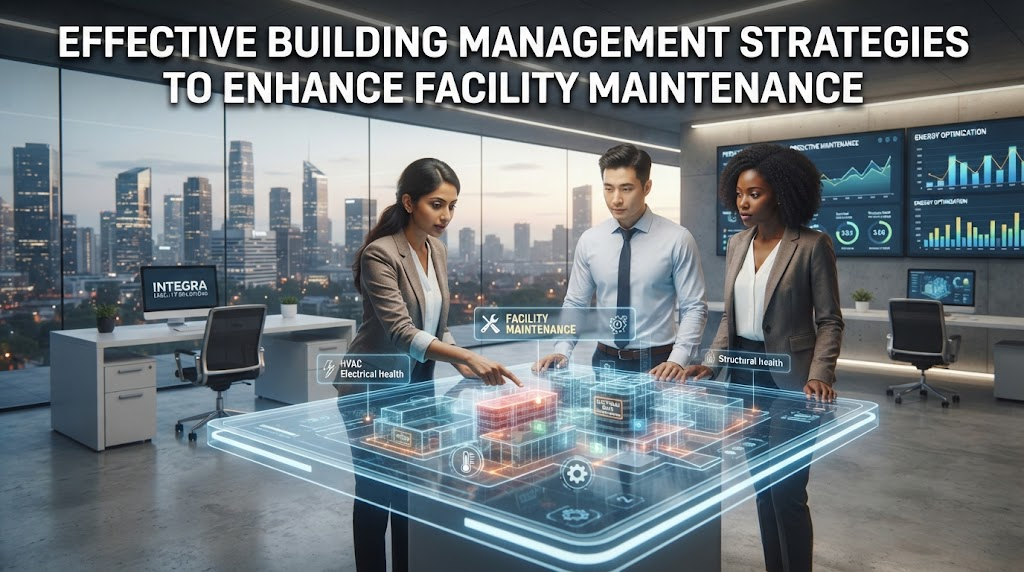
Building management is a comprehensive field that encompasses several strategies aimed at ensuring the efficient operation and maintenance of a facility. Effective building management is essential in keeping properties safe, functional, and appealing. Managers must focus on both preventative and reactive maintenance approaches to maintain a building’s structural integrity and optimise its performance.
Understanding Building Management
Building management involves overseeing the day-to-day operations of a facility. This includes ensuring that all systems within the building, such as HVAC, lighting, and plumbing, are operational and efficient. Building managers are tasked not only with maintaining equipment but also with ensuring compliance with regulations and standards.
The Importance of Preventative Maintenance
Preventative maintenance is vital in prolonging the life of a building and its systems. This proactive approach typically involves regular inspections and servicing to catch potential issues before they become significant problems. By implementing preventative maintenance, building managers can avoid costly repairs and enhance the safety and efficiency of their facilities.
Developing a Maintenance Schedule
A structured maintenance schedule helps ensure that all aspects of a building are regularly checked and maintained. The schedule should be tailored to the specific needs of the facility, taking into consideration the age of the building, the installed systems, and usage patterns. Routine checks prevent system failures and contribute to long-term cost savings.
Incorporating Technology in Building Management
Modern technology plays a crucial role in effective building management. Implementing advanced systems such as Building Management Systems (BMS) can provide real-time data on the performance and health of a building’s various components. These systems help managers make informed decisions that enhance the functionality and sustainability of their buildings.
Energy Management Practices
Energy management is a critical component of building management. By incorporating energy-efficient practices and technologies, managers can significantly reduce a facility’s carbon footprint and energy costs. Strategies might include installing energy-efficient lighting, improving insulation, and utilising renewable energy sources.
Ensuring Compliance with Regulations
Building managers must ensure that their facilities comply with all relevant health, safety, and environmental regulations. This involves keeping up-to-date with changes in legislation and implementing necessary adjustments within the building. Compliance not only ensures safety but can also minimise the risk of costly legal penalties.
Enhancing Indoor Air Quality
The quality of indoor air has a significant impact on the health and well-being of occupants. Building managers should prioritise maintaining good air quality through regular maintenance of HVAC systems, improving ventilation, and monitoring pollutant levels. Enhancing indoor air quality is associated with increased productivity and occupant satisfaction.
Security and Safety Management
Ensuring the security and safety of a building’s occupants is paramount. Effective security measures, such as surveillance systems and controlled access points, are necessary for any building management strategy. Additionally, regularly updating safety protocols and emergency response plans is crucial in protecting occupants and assets.
Managing Water Usage
Water management is an often overlooked, yet essential component of building management. Implementing water-saving fixtures, monitoring water usage, and addressing leaks promptly can significantly reduce a building’s water consumption and cost.
Vendor and Contractor Management
Coordinating with external vendors and contractors is an essential aspect of facility maintenance. Building managers must establish clear contracts and expectations to ensure that services meet the required standards. Regular evaluations of vendor performance can lead to more effective and cost-efficient maintenance solutions.
Cost Management Strategies
Cost management is integral to building management. Implementing budgeting practices and tracking expenditures help in controlling costs while maintaining quality service. Building managers should focus on achieving operational efficiency without compromising the maintenance quality.
Emergency Preparedness and Response
Being prepared for emergencies is essential for effective building management. This involves developing comprehensive emergency response plans, conducting regular drills, and ensuring all staff are adequately trained. A well-prepared team can significantly mitigate the impact of emergencies.
Challenges in Building Management
Building management comes with its set of challenges, including budget constraints, ageing infrastructure, and technological integrations. Managers must remain adaptable and innovative when addressing these challenges to maintain efficient operations.
The Role of Professional Cleaning Services
Professional cleaning services play a vital role in building management by ensuring that facilities remain clean and hygienic. These services extend beyond just cleaning; they contribute to the overall maintenance strategy by preserving the building’s value and appeal.
Future Trends in Building Management
The field of building management is continually evolving with advancements in technology and sustainability practices. Future trends suggest a greater focus on smart building technologies and sustainable management practices, which promise to enhance operational efficiency and sustainability in facility maintenance.
