

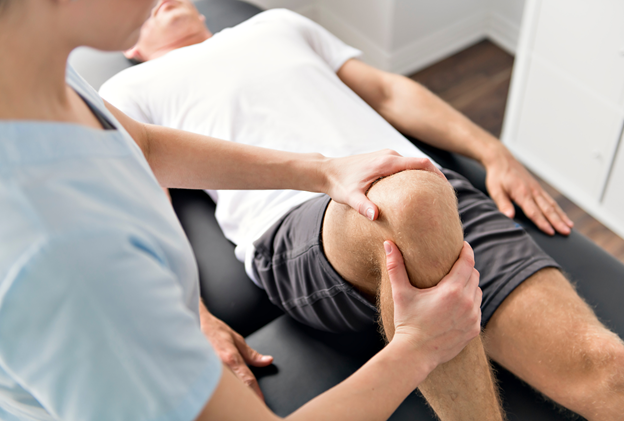
Pain, whether acute or chronic, can significantly affect daily life, mobility, and emotional well-being. While medications may provide temporary relief, they usually do not address the underlying cause of pain. This is where physiotherapy plays an important role.
A physiotherapy centre focuses on restoring movement, reducing pain, and improving function through structured, evidence-based approaches. This article explains how physiotherapy supports pain management and recovery, who can benefit from it, and what to expect from treatment.
Understanding Pain and Its Impact on the Body
Pain can arise from:
- Muscle strain or injury
- Joint problems
- Nerve compression
- Post-surgical recovery
- Chronic conditions such as arthritis
If not managed properly, pain can lead to reduced mobility, muscle weakness, poor posture, and long-term disability. Effective pain management involves addressing both symptoms and root causes.
What Is Physiotherapy?
Physiotherapy is a healthcare discipline that helps individuals regain movement, strength, and function after injury, illness, or surgery. It combines physical techniques, therapeutic exercises, and patient education to promote healing and prevent recurrence.
Physiotherapy is commonly used for:
- Musculoskeletal pain
- Sports injuries
- Neurological conditions
- Post-operative rehabilitation
- Chronic pain management
How Physiotherapy Helps in Pain Management
Identifying the Root Cause of Pain
Physiotherapy begins with a detailed assessment to understand:
- Pain location and intensity
- Movement limitations
- Muscle strength and flexibility
- Posture and alignment
This evaluation helps design a treatment plan that targets the actual source of pain rather than just masking symptoms.
Reducing Pain Without Over-Reliance on Medication
Physiotherapy techniques help reduce pain by:
- Improving blood flow
- Reducing muscle tension
- Enhancing joint mobility
- Supporting natural healing processes
This approach minimizes dependence on painkillers and their potential side effects.
Key Physiotherapy Techniques Used for Pain Relief
Manual Therapy
Manual therapy involves hands-on techniques such as joint mobilization and soft tissue manipulation. These methods help:
- Reduce stiffness
- Improve joint movement
- Relax tight muscles
- Decrease pain signals
Therapeutic Exercises
Exercise therapy is an important component of physiotherapy. Exercises are customized to:
- Strengthen weak muscles
- Improve flexibility
- Enhance stability and balance
Gradual progression ensures safety while restoring function.
Electrotherapy and Modalities
Certain modalities may be used to manage pain, including:
- Heat or cold therapy
- Ultrasound therapy
- Electrical stimulation
These techniques support pain relief and tissue healing when used appropriately.
Role of Physiotherapy in Recovery and Rehabilitation
Post-Injury Recovery
After injuries such as sprains, fractures, or ligament tears, physiotherapy:
- Restores range of motion
- Prevents stiffness
- Builds strength safely
- Reduces the risk of re-injury
Early rehabilitation generally leads to faster and more complete recovery.
Post-Surgical Rehabilitation
Following surgery, physiotherapy is essential for:
- Regaining movement
- Preventing complications
- Restoring independence
- Supporting safe return to daily activities
Rehabilitation programs are adjusted according to surgical procedures and individual healing capacity.
Managing Chronic Pain With Physiotherapy
Chronic pain conditions require long-term management strategies. Physiotherapy helps by:
- Improving movement patterns
- Reducing pain sensitivity
- Teaching pacing techniques
- Enhancing quality of life
Conditions such as back pain, neck pain, arthritis, and nerve-related pain usually benefit from structured physiotherapy programs.
Preventing Future Pain and Injury
Posture and Ergonomic Training
Poor posture and improper body mechanics contribute to recurring pain. Physiotherapists guide patients on:
- Correct posture
- Workplace ergonomics
- Safe lifting techniques
These measures reduce strain on muscles and joints.
Education and Self-Management
Physiotherapy helps individuals through education, helping them:
- Understand their condition
- Perform exercises correctly
- Recognize early warning signs
This knowledge supports long-term pain prevention.
Who Can Benefit From a Physiotherapy Centre?
Physiotherapy is suitable for:
- Individuals with acute or chronic pain
- Athletes recovering from injury
- Older adults with mobility issues
- People recovering from surgery
- Individuals with posture-related discomfort
Treatment plans are adapted to age, activity level, and health status.
What to Expect During a Physiotherapy Program
Initial Assessment
The first visit usually includes:
- Medical history review
- Physical examination
- Functional movement assessment
Goals are set collaboratively based on patient needs.
Ongoing Sessions
Treatment progresses through regular sessions involving:
- Exercise therapy
- Manual techniques
- Reassessment and adjustments
Consistency is key for effective recovery.
Importance of Professional Supervision
Physiotherapy exercises and techniques should be performed under professional guidance to avoid improper movement or injury. Qualified physiotherapists ensure:
- Safe progression
- Correct technique
- Personalized care
In cities such as Ahmedabad, individuals dealing with persistent pain or recovery needs often seek structured care at a reputable physiotherapy centre in Ahmedabad to access professional assessment, guided rehabilitation, and long-term pain management strategies.
FAQs
How soon should I start physiotherapy after an injury?
In many cases, early physiotherapy leads to faster recovery, but timing depends on the type and severity of injury.
Is physiotherapy painful?
Some discomfort may occur during recovery exercises, but therapy is designed to be safe and progressively tolerable.
How long does physiotherapy take to show results?
Results vary by condition, but many people notice improvement within a few sessions when therapy is followed consistently.
Can physiotherapy replace surgery?
In some cases, physiotherapy can delay or avoid surgery, but this depends on the underlying condition.
Do I need physiotherapy even after the pain has reduced?
Yes. Continuing therapy helps restore strength and prevents the recurrence of pain.
Conclusion
A physiotherapy centre plays an important role in managing pain and supporting recovery by addressing the root cause of discomfort, restoring movement, and preventing future problems. Through personalized assessment, targeted exercises, and patient education, physiotherapy offers a safe and effective path to long-term well-being.
Rather than focusing only on temporary relief, physiotherapy emphasizes functional recovery and self-management. With professional guidance and consistent effort, individuals can regain mobility, reduce pain, and return to active, independent lives.
