

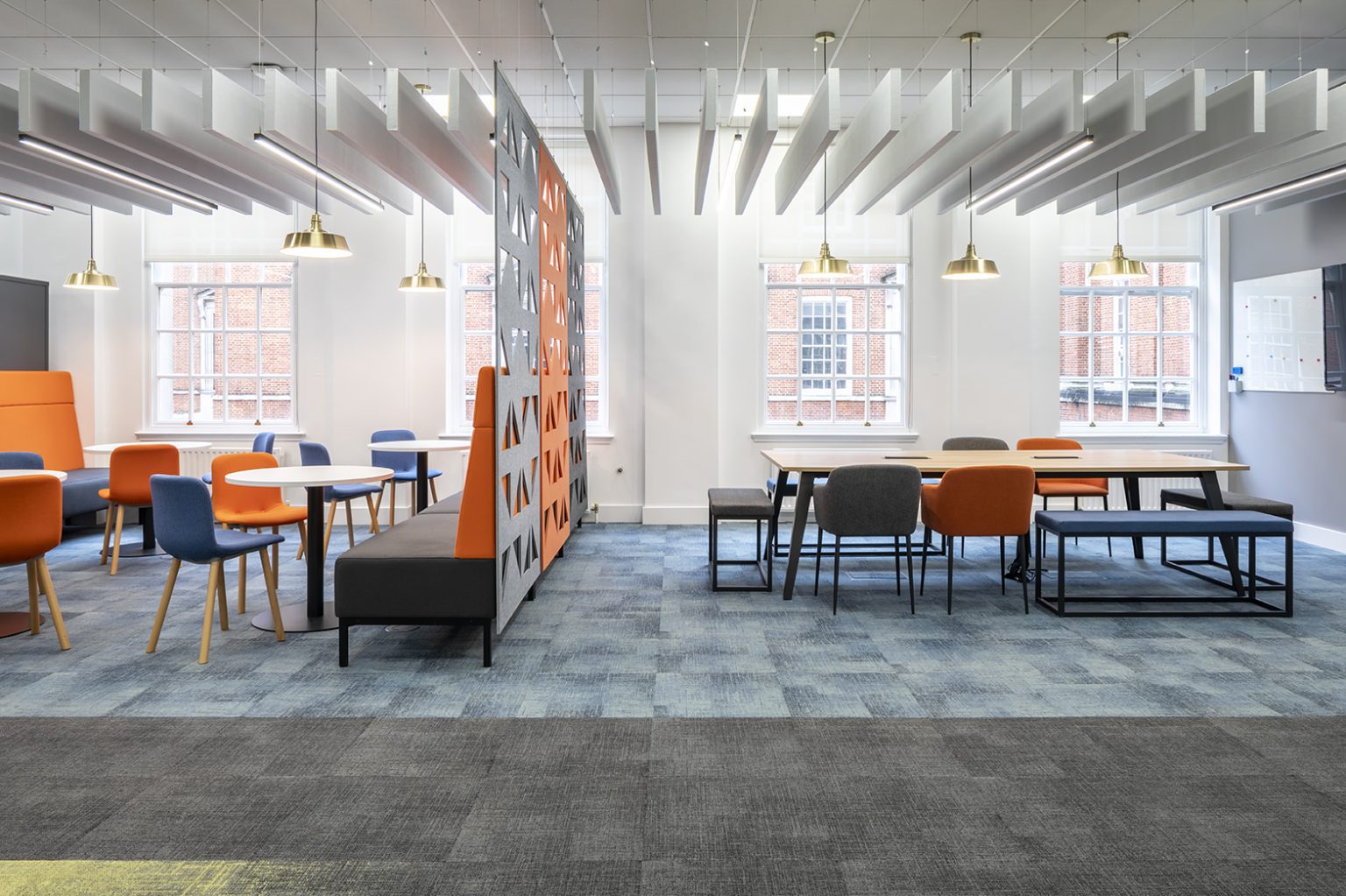
Open-plan offices promised collaboration, flexibility and lower fit-out costs. Across Melbourne, from Collins Street towers to converted warehouses in Collingwood and Richmond, they delivered all three. They also delivered a problem few businesses planned for: noise.
Ringing phones, video calls, keyboard clatter and impromptu meetings bounce off hard surfaces and follow employees through the workday. Research consistently links poor office acoustics with reduced concentration, higher stress and lower productivity. Businesses are now looking beyond ceiling panels and desk dividers to something underfoot: the floor.
Why Open-Plan Offices Get So Loud
Open-plan layouts remove walls, and walls are one of the best sound barriers a building has. Without them, sound travels freely and reflects off glass, plasterboard, concrete and exposed ceilings. Melbourne’s love of industrial-style interiors, with raw slabs, high ceilings and minimal soft furnishings, makes this worse.
Two types of noise cause most of the trouble:
- Airborne noise, such as voices, phone calls and meetings, which travels through the air and reflects off hard surfaces.
- Impact noise, such as footsteps, dragged chairs, trolleys and dropped items, which travels through the structure of the building itself.
Many offices treat airborne noise with wall panels and ceiling baffles but overlook the floor, which is often the largest surface in the room. A floor that reflects sound and transmits impact noise undermines every other acoustic measure.
How Acoustic Flooring Works
Acoustic flooring is designed to reduce both airborne and impact sound. Depending on the system, it does this in a few ways:
Sound absorption. Softer, textured or layered surfaces absorb sound energy instead of reflecting it, which reduces echo and reverberation across the space.
Impact isolation. Underlays and resilient layers beneath the finished surface cushion footfall and equipment movement, stopping vibration from travelling through the slab to the floors below. This matters in multi-storey Melbourne buildings, where tenancies often sit directly above one another.
Structural damping. Some systems add mass and density to the floor build-up, which helps block sound transmission between levels.
Together, these approaches can noticeably lower background noise. Offices often report calmer, more focused environments and fewer complaints about distraction.
Acoustic Performance Without Sacrificing Style
A common concern is that acoustic flooring means wall-to-wall carpet, and that hard-wearing, modern finishes have to go. That is no longer true. Today’s acoustic solutions include:
- Carpet tiles with acoustic backing, which are easy to replace and available in a wide range of patterns.
- Vinyl and resilient flooring with integrated acoustic underlays, which suit high-traffic corridors and break-out areas.
- Engineered timber on sound-dampening underlays for a warmer, premium look.
- Polished and sealed concrete, which can be combined with rugs, zoned soft-flooring areas and acoustic treatments to balance durability with sound control.
The best results usually come from a zoned approach. Quiet focus areas might use acoustic carpet tiles, while reception areas and walkways use tougher, easier-to-clean surfaces. Choosing the right mix for each zone is where professional advice makes a real difference.
The Business Case for Quieter Floors
Acoustic flooring is not only about comfort. The benefits extend across the business:
Productivity. Fewer distractions mean employees can hold focus longer and complete complex tasks with fewer interruptions.
Wellbeing and retention. Noise is a leading source of workplace dissatisfaction. Employers who address it send a clear signal that they value their people’s working conditions.
Privacy and confidentiality. Better sound control keeps sensitive conversations, such as HR discussions and client calls, from carrying across the floor.
Compliance and tenancy. Many commercial leases and building standards set requirements for impact sound insulation. The right flooring helps tenants meet them and avoid disputes with neighbours.
Long-term value. Quality commercial floors are built to last. An acoustic solution that handles heavy foot traffic for years often costs less over its lifetime than repeated patch-ups.
What to Consider Before You Choose
Before committing to a flooring system, think through a few practical points:
- Assess the space. Identify where noise is worst, and whether it is mainly airborne or impact-related.
- Check the substrate. The existing slab or subfloor affects which systems are suitable and how much preparation is needed.
- Match the finish to the use. Think about foot traffic, furniture movement, cleaning routines and slip resistance.
- Plan around business hours. Installation should cause minimal disruption, which often means after-hours or staged work.
- Look at the whole acoustic picture. Flooring works best alongside ceiling, wall and furniture treatments.
Working With the Right Partner
Because acoustic performance depends on the details, from underlay specifications to surface preparation, it pays to work with experienced commercial flooring contractors melbourne businesses can rely on. A good contractor will assess your site, explain the trade-offs between materials and deliver a finish that meets both your acoustic and design goals, on time and with minimal downtime.
Final Thoughts
The open-plan office is here to stay, but the noise that comes with it does not have to be. As Melbourne businesses rethink how their workspaces perform, the floor is emerging as one of the most effective and most overlooked tools for creating quieter, more productive environments.
If your team is struggling with echo, distraction or complaints from the floor below, an acoustic flooring upgrade could be the change that makes the biggest difference.
