

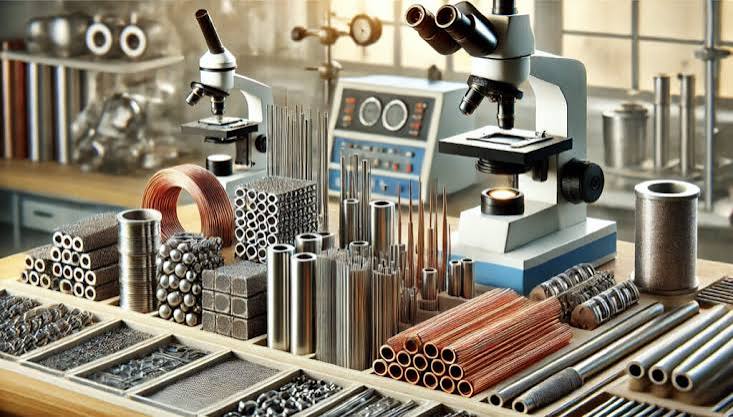
In the realm of engineering and materials science, determining the composition and properties of materials is crucial to ensure the safety, reliability, and longevity of products. This is where metallurgical lab testing comes into play. By employing a variety of techniques, this testing provides valuable insights into the microstructure and properties of metals and alloys.
Understanding Metallurgical Lab Testing
Metallurgical lab testing involves analysing metals at a microscopic level. These tests can reveal the material’s composition, identify any structural weaknesses, and predict how the material will behave under different types of stress and environmental conditions. This knowledge is essential for engineers and manufacturers as it helps them select the right materials for specific applications and prevent potential failures.
Types of Tests Conducted
There are several types of metallurgical tests, including mechanical testing, chemical analysis, and microstructural examination. Each type serves a unique purpose. Mechanical testing evaluates the strength, toughness, and hardness of materials. Chemical analysis determines the exact composition of an alloy, which is vital for maintaining the desired properties. Microstructural examination allows scientists to observe the minute details of the metal’s structure, often using microscopes.
Applications Across Industries
Metallurgical testing is integral in a range of industries, from construction to automotive, and aerospace to manufacturing. In construction, for instance, the safety of buildings and infrastructure relies heavily on the quality of materials used. Similarly, in the automotive and aerospace sectors, ensuring the parts and components can withstand extreme conditions is critical.
Enhancing Product Development and Safety
The information gained from metallurgical testing aids in product development by improving existing materials or creating new ones. By understanding how different materials react to various environments, engineers can design products that are safer, more reliable, and more cost-effective, leading to significant advancements in technology and innovation.
Cost Efficiency and Quality Control
Conducting thorough metallurgical testing can lead to major cost savings by preventing material failure, reducing waste, and ensuring compliance with industry standards. Quality control is a significant benefit, as manufacturing defects can be identified early in the production process and rectified before leading to costly recalls or failures.
The Role of Advanced Engineering Consultancy & Testing Laboratory
Advanced Engineering Consultancy & Testing Laboratory offers comprehensive metallurgical testing services. Their state-of-the-art facilities and experienced professionals provide accurate and reliable test results, supporting clients across various sectors in achieving material excellence.
Conclusion
In summary, metallurgical lab testing is a fundamental process that ensures the materials used in our industries are of high quality and fit for purpose. As technology and materials science continue to advance, the role of metallurgical testing will only grow in importance, further safeguarding the integrity and success of engineering projects worldwide.
