

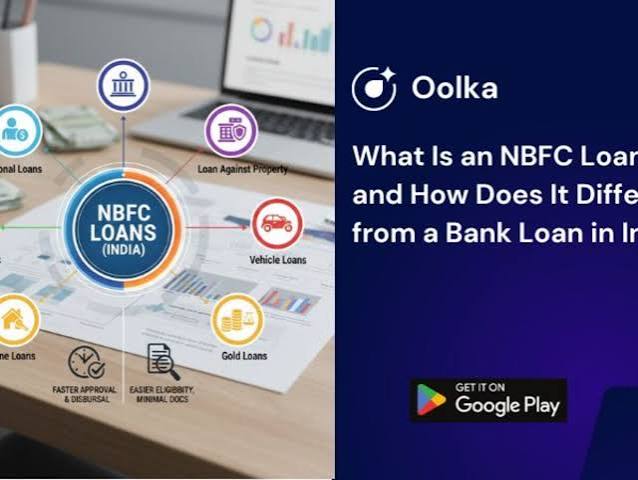
If you’ve ever applied for a personal loan and noticed the lender wasn’t actually a bank, you were probably dealing with an NBFC. Non-Banking Financial Companies have quietly become one of the biggest players in India’s lending space, and honestly, most people don’t fully understand how they operate until they need money fast and start comparing options.
Let’s understand the basics: What is an NFBC loan? How does it differ? How do NBFC loan interest rates work? What is NBFC personal loan eligibility? And most importantly, why does that distinction even matter to you as a borrower?
What is an NBFC?
An NBFC, or Non-Banking Financial Company, is a financial institution that offers many of the same services as a bank, like loans, credit facilities and asset financing. However, they don’t hold a banking license.
NBFCs are primarily known for flexible lending. These companies are registered under the Companies Act and regulated by the Reserve Bank of India, which keeps them within a defined framework even though they operate outside the conventional banking structure.
What Is an NBFC Loan?
In simple terms, an NBFC loan is money borrowed from a Non-Banking Financial Company instead of a traditional bank. It works the same way any loan does. You will borrow a sum, agree on an interest rate and repayment tenure, and pay it back in EMIs.
The major advantages of NBFC personal loans are flexible EMI plans, very short to long-term lending opportunities, small to large loan amounts, and most importantly, much more accessibility.
Why an NBFC Personal Loan Feels Different
If you’ve dealt with bank loan applications, an NBFC personal loan tends to feel like a different world entirely in terms of paperwork, waiting for approval time, and branch visits.
Most NBFCs have leaned hard into digital-first processes. You fill out an application online, upload a few documents, and, in many cases, get a decision within hours rather than days. Some of the more tech-forward NBFCs have streamlined this so aggressively that disbursal can happen the same day, sometimes within minutes for existing customers with a clean credit history.
This speed isn’t just a marketing gimmick. Banks tend to follow rigid, standardized underwriting models. NBFCs, by contrast, often use alternative data, like a borrower’s spending patterns, digital footprint, and even utility bill payments in some cases, making approval much easier and faster.
This flexibility is precisely why an instant personal loan NBFC option often works for people whom traditional banks might turn away, like gig workers, freelancers, or those with a thin credit file.
How NBFC Loan Interest Rates Actually Work?
This is probably the part people get wrong most often. There’s a persistent myth that NBFCs always charge sky-high interest compared to banks. That’s not quite accurate. It’s more nuanced than that.
NBFC loan interest rates typically run somewhere between 10% and 24% annually, though the exact number swings based on several factors:
- Your credit score — If your CIBIL score is above 750, you will usually get a loan with a lower interest rate than others with a lower CIBIL score.
- Income stability — The salaried applicants with consistent income often get preferential pricing.
- Loan tenure — Shorter tenures sometimes come with marginally different rates.
- Existing relationship — The repeat customers or those with a strong repayment history frequently see reduced rates on subsequent loans.
Who Actually Qualifies For An NBFC Personal Loan?
NBFC personal loan eligibility criteria are generally considered more accessible than what banks require, though “accessible” doesn’t mean there are no standards at all. Their requirements are very minimal, like:
- Age between 21 and 60 years. However, this range shifts slightly depending on the lender.)
- Minimum monthly income, often starting around ₹15,000–₹25,000, though it depends on the city and the NBFC.
- A credit score of 650 or above is preferred by most lenders, though some specialize in near-prime or subprime segments.
- Most NBFCs prefer stable employees with a minimum tenure at their current job. The self-employed applicants can also qualify with proper documentation and income proofs.
- Having a PAN, Aadhaar, active bank account, and a mobile number that is linked with the Aadhaar card is a must-have requirement. You also need to submit bank statements or salary slips as income proof.
What sets NBFCs apart is their willingness to look beyond the standard checklist. Someone with a slightly lower credit score but strong, consistent cash flow might still get approved, whereas a bank’s rigid scoring model could reject them outright. This is genuinely one of the reasons NBFCs have captured such a large share of the retail lending market over the past decade.
Final Thoughts
NBFC loans have reshaped how personal borrowing works in India, mostly for the better. They fill gaps that traditional banks leave open, like instant processing, flexibility, and accessibility for borrowers who don’t fit neatly into conventional underwriting boxes.
Whether you’re considering an NBFC personal loan for a medical emergency, a wedding expense, or simply consolidating debt, understanding how interest rates are calculated and what eligibility actually requires puts you in a much stronger position to negotiate and choose wisely.
The key takeaway? Don’t just chase the fastest approval. Compare rates, read the eligibility fine print, and make sure the loan actually fits your repayment capacity, not just your immediate need.
