

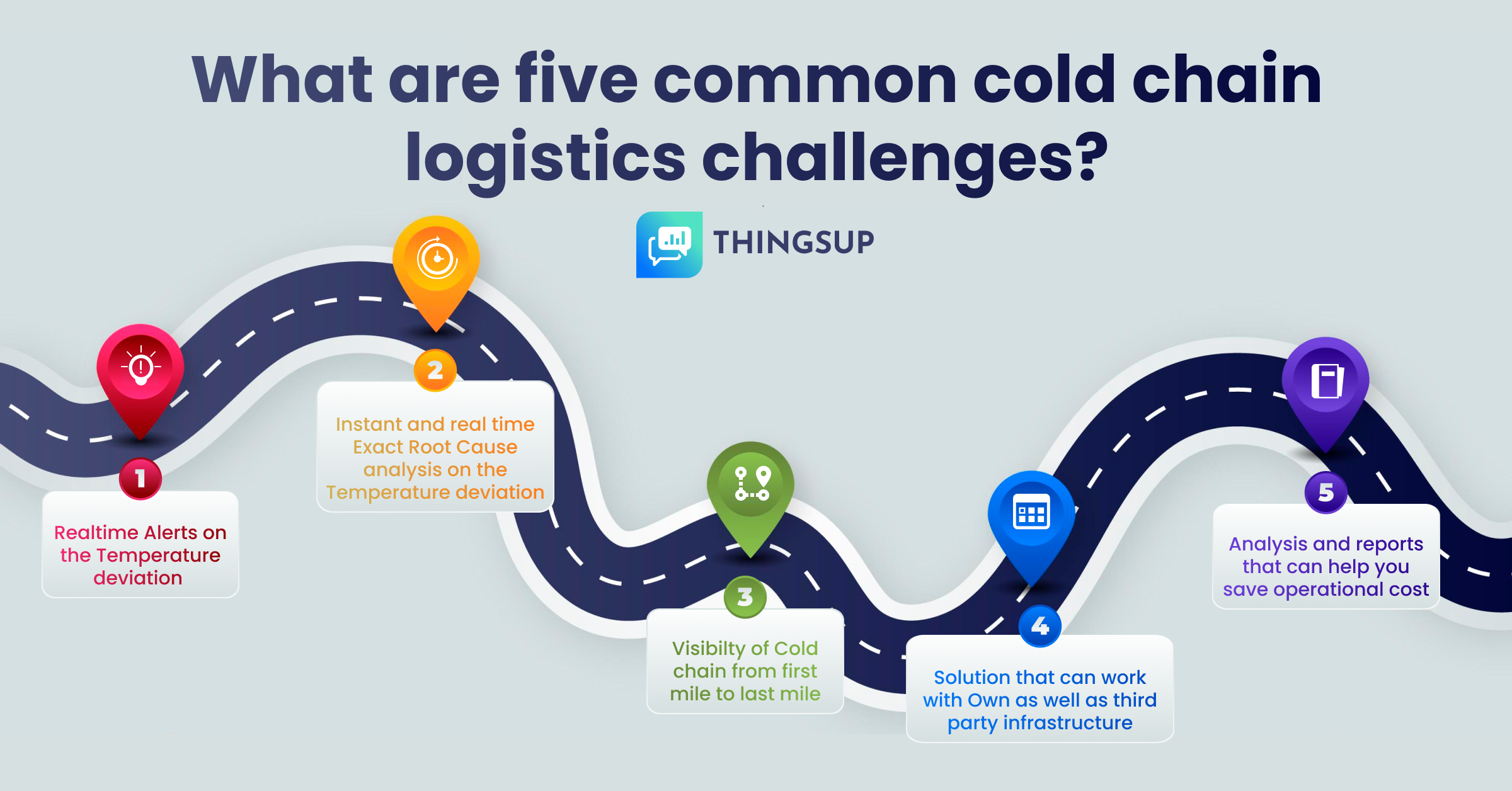
Transporting temperature sensitive products presents unique challenges for businesses in the food, pharmaceutical, and biotech industries. Maintaining cold chain integrity ensures that perishable items reach their destination safely, preserving quality, safety, and compliance. Without proper temperature control, spoilage, regulatory breaches, and financial losses can occur. Understanding the importance of cold chain management helps companies optimise operations and protect brand reputation.
The Role of Temperature Control in Perishable Logistics
Perishable goods rely on strict temperature ranges during storage and transport. Even minor deviations can compromise freshness, efficacy, or safety. Cold chain systems include refrigerated vehicles, insulated packaging, temperature monitoring devices, and storage facilities designed to maintain consistent conditions.
Companies handling perishable logistics must ensure that these systems are reliable, well maintained, and calibrated to prevent fluctuations. When transporting sensitive items such as vaccines, seafood, dairy, or frozen produce, any lapse in temperature control can lead to spoilage or product rejection.
Monitoring and Real-Time Tracking
Modern cold chain solutions incorporate real-time monitoring tools. Sensors and GPS enabled devices provide continuous updates on temperature, humidity, and location. Alerts notify operators of any deviations, allowing immediate corrective action.
This level of monitoring is especially important for long distance shipments or international transport, where delays or handling errors could compromise product quality. Businesses that prioritise tracking and monitoring strengthen trust in perishable goods transport and reduce the risk of losses.
Compliance with Industry Standards
Regulatory compliance is a key component of perishable logistics. Industries such as food, pharmaceuticals, and biotechnology have strict guidelines for storage and transport conditions. Adhering to these standards is mandatory to ensure safety, avoid penalties, and maintain market access.
Proper documentation, temperature logs, and validated processes demonstrate compliance. Businesses often partner with experts in perishable goods transport to ensure that every step, from warehouse storage to final delivery, meets regulatory requirements.
Reducing Waste and Financial Loss
Maintaining cold chain integrity directly reduces spoilage and waste. Temperature deviations or improper handling can result in rejected shipments, lost revenue, and increased operational costs. Investing in reliable cold chain infrastructure protects margins and ensures customer satisfaction.
Effective cold chain management also supports sustainability goals by minimising food waste and optimising resource usage. Well maintained vehicles, efficient routing, and smart packaging reduce both environmental impact and operating costs.
Training and Standard Operating Procedures
Human factors play a crucial role in maintaining perishable logistics standards. Staff must be trained in correct handling, storage, and monitoring procedures. Clear standard operating procedures (SOPs) guide team members in maintaining cold chain integrity consistently.
Regular audits and refresher training reinforce best practices. Even with advanced technology, human oversight ensures that potential issues are identified and resolved promptly.
Planning for Contingencies
Unexpected events, such as vehicle breakdowns, customs delays, or extreme weather, can threaten perishable logistics. Contingency planning, including backup refrigeration units, alternative transport routes, and emergency response protocols, helps mitigate risks.
Proactive planning ensures that temperature sensitive products maintain their quality even under unforeseen circumstances. Companies that integrate robust contingency strategies safeguard both product integrity and business reputation.
Conclusion
Cold chain integrity is essential for the safe transport of perishable goods. From temperature control and real-time monitoring to regulatory compliance and contingency planning, every aspect of the cold chain must be managed meticulously.
Partnering with experienced perishable goods transport providers ensures that products reach their destination safely, maintain quality, and comply with industry standards. Maintaining a strong cold chain not only reduces waste and financial risk but also strengthens customer confidence and supports long term operational success.