

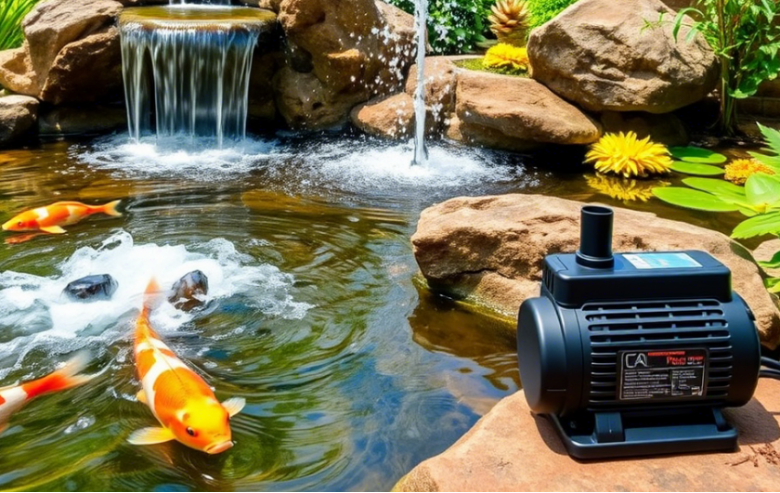
Many pond owners dream of having clear water, healthy fish, and beautiful plants. But keeping a pond clean is not always easy. Leaves fall into the water. Fish create waste. Algae can grow quickly when conditions are right. Over time, all of this can affect water quality.
That is why a reliable pond pump and filter is one of the most important parts of any pond. It helps keep water moving and removes waste before it causes bigger problems.
Good filtration does more than make a pond look nice. It helps create a healthier environment for fish, plants, and the helpful bacteria that naturally live in the water. Many pond owners seek trusted filtration solutions from companies like Aquabead, as strong filtration can make pond care easier and more effective year-round.
What Does a Pond Pump and Filter Actually Do?
A pond may look calm on the surface, but a lot is happening underneath. Waste from fish, leftover food, and plant debris slowly builds up in the water.
A pond filter and pump work by moving water through a filtration system. As the water passes through, dirt and waste are removed. At the same time, beneficial bacteria living inside the filter help break down harmful substances.
The cleaned water then returns to the pond.
This process happens over and over again every day. The result is cleaner water, better circulation, and a healthier pond environment.
Why Moving Water Matters?
Still water can quickly become a problem. When water does not move, waste settles, oxygen levels may drop, and algae can grow faster. A pump keeps water circulating around the pond. This movement helps spread oxygen throughout the water. Fish need oxygen to stay healthy, and beneficial bacteria need it too.
Good circulation also helps prevent dead spots where debris can collect. During hot summer months, moving water becomes even more important because warm water naturally holds less oxygen. In colder months, steady circulation helps maintain better water quality when fish become less active.
The Hidden Heroes Inside Every Filter
Many pond owners focus on the pump, but the filter does some of the most important work. Inside a filter live colonies of beneficial bacteria. These tiny organisms help break down harmful waste produced by fish and decaying material.
Without these bacteria, dangerous substances can build up in the water. A quality filtration system creates a safe place for these helpful bacteria to grow and do their job. This natural process is one of the reasons healthy ponds stay balanced over time.
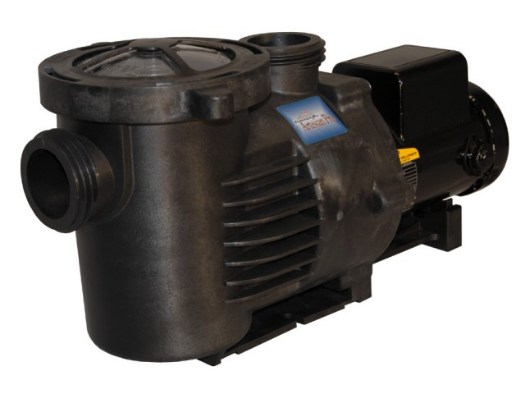
Different Ponds Need Different Filtration Systems
Not every pond has the same needs. A small decorative pond requires a different setup than a pond filled with large koi.
1. Small Garden Ponds
A small pond pump and filter system is often enough for ponds with a few fish and aquatic plants. These systems are compact, easy to maintain, and designed for smaller water volumes.
2. Koi Ponds
Koi are beautiful fish, but they produce a lot of waste. A strong koi pond pump and filter help manage this extra load and keep water conditions stable. Beca use koi ponds often have more fish, they usually need larger filtration systems than standard garden ponds.
3. Large Backyard Ponds
Large ponds need equipment that can handle higher water volumes. In these ponds, both the pump and filter must be properly sized to keep water clean and moving efficiently.
Signs a Pond May Need Better Filtration
Sometimes a pond gives warning signs when filtration is not keeping up.
Pond owners may notice:
· Water that looks cloudy
· Green water caused by algae
· Bad smell coming from the pond
· Waste collecting at the bottom
· Fish are acting less active than usual
· Poor water circulation
These problems do not always mean the pond is unhealthy, but they often suggest that the filtration system needs attention. In some cases, upgrading pond pumps and filter equipment can make a noticeable difference.
Benefits of Using the Right Filtration System
A good filtration system can improve almost every part of pond care.
1. Cleaner Water
Filters remove dirt and small particles that make water look cloudy.
2. Healthier Fish
Fish live in the water every day. Cleaner water creates a safer and less stressful environment.
3. Better Plant Growth
Aquatic plants grow best when water quality remains stable.
4. Less Algae Trouble
Filtration helps remove the nutrients that algae need to grow.
5. Easier Maintenance
When a filtration system performs well, pond owners often spend less time dealing with water quality issues.
6. A More Balanced Ecosystem
Healthy ponds rely on balance. Good filtration supports the natural processes that help maintain that balance.
How Choose the Right System?
Choosing the best filter and pump for koi pond setups or decorative ponds depends on several factors.
Ø Pond Size
The amount of water in the pond affects the size of the filtration system needed.
Ø Number of Fish
More fish create more waste. A pond with many fish usually requires stronger filtration.
Ø Water Flow
The pump should move enough water through the filter to maintain healthy conditions.
Ø Future Plans
Many ponds grow over time. Fish get larger, and more plants may be added. Choosing a system with extra capacity can help avoid future upgrades.
Ø Filter Quality
A well-designed filter can often provide better performance and require less maintenance.
Simple Habits That Keep Filters Working Well
Even the best filtration system needs regular care.
A few simple habits can help keep everything running smoothly.
1. Remove Debris Regularly
Leaves and large debris should be removed before they clog the system.
2. Check Water Flow
A sudden drop in water movement may signal a blockage.
3. Clean Mechanical Parts
Cleaning should be done when needed to keep water flowing properly.
4. Protect Beneficial Bacteria
Biological filter media should not be cleaned too aggressively. Helpful bacteria need time to grow and stay active.
5. Examine Equipment Every Season
Checking pumps, hoses, and filtration components is best done in the spring and fall. Frequent maintenance helps prevent more serious issues.
The Secret behind Ponds That Stay Beautiful Year After Year
Consistent filtration is a common feature of the healthiest ponds. It is rare for clear water, active fish, and flourishing plants to occur by accident. They are often the result of a daily background filtration system.
The proper pond pump and filter contribute to a more stable and cleaner environment, regardless of the pond’s size, whether it is decorative or home to koi. Because dependable filtration is crucial to the long-term sustainability of ponds, many pond owners are still exploring cutting-edge filtration options from reputable brands like Aqua bead. A little attention to water quality today can help keep a pond looking its best for many seasons to come.
Frequently Asked Questions
1. What does filtering a pond do?
Filtering removes waste, debris, and harmful substances from the water while supporting beneficial bacteria that help maintain a healthy pond.
2. Why is a koi pond filter important?
Koi produce more waste than many other pond fish. A strong filtration system helps keep water clean and safe for them.
3. How often should a pond filter be cleaned?
Cleaning depends on the pond and filter type. Most systems should be checked regularly and cleaned when debris begins to affect water flow.
4. Do small ponds need filtration?
Yes. A small pond pump and filter can help keep water clear and stable, even in a compact pond.
5. How can pond owners choose the right filter size?
The correct size depends on pond volume, fish population, and the amount of water that needs to move through the system.
6. Can a pond filter help control algae?
Yes. Filtration removes waste and excess nutrients that often contribute to algae growth.