

Chronic lifestyle disorders are health conditions that develop over time due to unhealthy routines, poor diet, lack of physical activity, disturbed sleep, and prolonged mental stress. Common examples include type 2 diabetes, high blood pressure, obesity, thyroid imbalance, arthritis, digestive disorders, and stress-related conditions.
In recent years, more people are turning toward natural systems of medicine to manage long-term health concerns. Hyderabad is a vibrant city known for its rich heritage, growing wellness culture, and increasing focus on holistic healthcare.
Ayurveda, one of the world’s oldest healing sciences, is gaining renewed attention for its gentle and sustainable approach to health. Many individuals searching for the Best Ayurvedic Hospital in Hyderabad are not just looking for treatment but for a way to restore balance in their daily lives.
How Does Ayurveda Help Manage Chronic Conditions?
Ayurveda helps manage chronic lifestyle disorders by addressing their underlying causes and supporting the body’s natural healing capacity. It emphasizes gradual, sustainable changes instead of quick fixes.
Treatment plans are personalized and usually include dietary guidance, herbal formulations, lifestyle correction, and mind-body practices. The goal is not just disease management but long-term health maintenance and prevention of complications.
Role of Diet in Ayurvedic Healing
Diet plays a central role in Ayurveda. Food is considered medicine when chosen and consumed correctly. Ayurvedic dietary advice is based on an individual’s body type, digestive strength, age, and health condition.
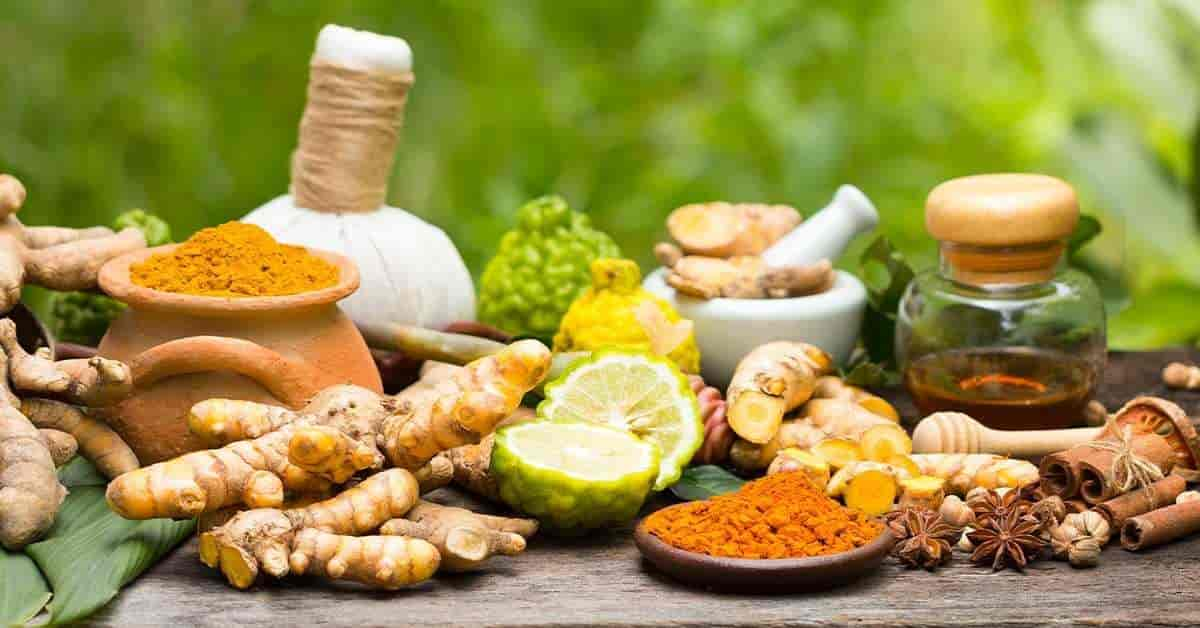
For chronic lifestyle disorders, Ayurveda often recommends simple, freshly cooked meals that are easy to digest. Processed foods, excess sugar, and unhealthy fats are usually discouraged. Specific herbs and spices like turmeric, ginger, cumin, and coriander are commonly used to support digestion and metabolism. Over time, these dietary changes help improve energy levels, control weight, and stabilize blood sugar and cholesterol levels naturally.
Herbal Remedies and Natural Support
Ayurveda uses plant-based formulations that have been traditionally studied and used for centuries. These herbal preparations are chosen carefully based on the individual’s condition and constitution.
Herbs used in Ayurveda work gently and support the body’s internal systems rather than forcing quick changes. They may help improve digestion, regulate metabolism, support joint health, or manage stress levels. For example, certain natural options such as berberine supplements are often discussed for their potential role in supporting metabolic health and maintaining balanced blood sugar levels. When taken under proper guidance, these remedies aim to improve overall balance and reduce the progression of chronic disorders.
Lifestyle Correction as a Core Principle
One of the strengths of Ayurveda lies in its focus on daily routine, also known as Dinacharya. Small but consistent changes in daily habits can make a big difference in managing lifestyle disorders.
Ayurveda encourages regular sleep patterns, mindful eating, moderate physical activity, and proper hydration. Simple practices like waking up early, eating meals at fixed times, and avoiding late-night eating help stabilize the body’s internal clock.
Can Stress Management Improve Chronic Lifestyle Disorders?
Yes, stress management is a key part of Ayurvedic treatment because mental health directly affects physical health. Ayurveda recognizes that long-term stress can worsen conditions like diabetes, high blood pressure, digestive disorders, and sleep problems.
Practices such as yoga, breathing exercises, and meditation are commonly recommended. These techniques calm the nervous system, improve sleep quality, and help regulate hormones. Over time, better stress management leads to improved energy, mental clarity, and emotional well-being, which supports overall recovery.
Detoxification and Its Role in Long-Term Health
Ayurveda includes detoxification therapies designed to remove accumulated toxins from the body. These therapies are not extreme or random but are planned based on the individual’s strength and condition.
Detoxification helps improve digestion, enhance metabolism, and support organ function. For people with chronic lifestyle disorders, this process may help reduce fatigue, improve appetite, and create a stronger foundation for long-term healing. It is always done under professional supervision to ensure safety and effectiveness.
Is Ayurveda Suitable Alongside Modern Medicine?
Ayurveda can often be used alongside modern medical treatments, especially for chronic conditions. Many people choose an integrated approach, combining regular medical monitoring with Ayurvedic lifestyle and dietary practices.
This complementary approach allows individuals to benefit from both systems while focusing on overall wellness. However, it is important to follow professional guidance and inform healthcare providers about all treatments being used.
Frequently Asked Questions
Is Ayurvedic treatment safe for long-term use?
When followed under proper guidance, Ayurvedic treatments are generally safe and designed for long-term wellness rather than short-term symptom relief.
How long does it take to see results with Ayurveda?
Ayurveda works gradually. Some people notice changes within weeks, while others may require a few months, depending on the condition, age, and lifestyle consistency.
Can young adults benefit from Ayurveda for lifestyle disorders?
Yes, Ayurveda is suitable for all age groups. Early intervention can help young adults prevent complications and build healthier habits for the future.
Does Ayurvedic treatment require strict lifestyle changes?
Ayurveda encourages practical and sustainable changes. The focus is on small, consistent improvements rather than rigid rules.
Conclusion
Ayurveda provides a natural, thorough, and reliable method of treating chronic lifestyle problems. It promotes long-term health rather than temporary solutions by prioritizing fundamental problems, individual attention, and sustainable behaviors. Ayurveda offers a mild yet effective route toward balance, wellness, and an enhanced quality of life in the fast-paced world of today, when lifestyle-related illnesses are becoming more common.
