

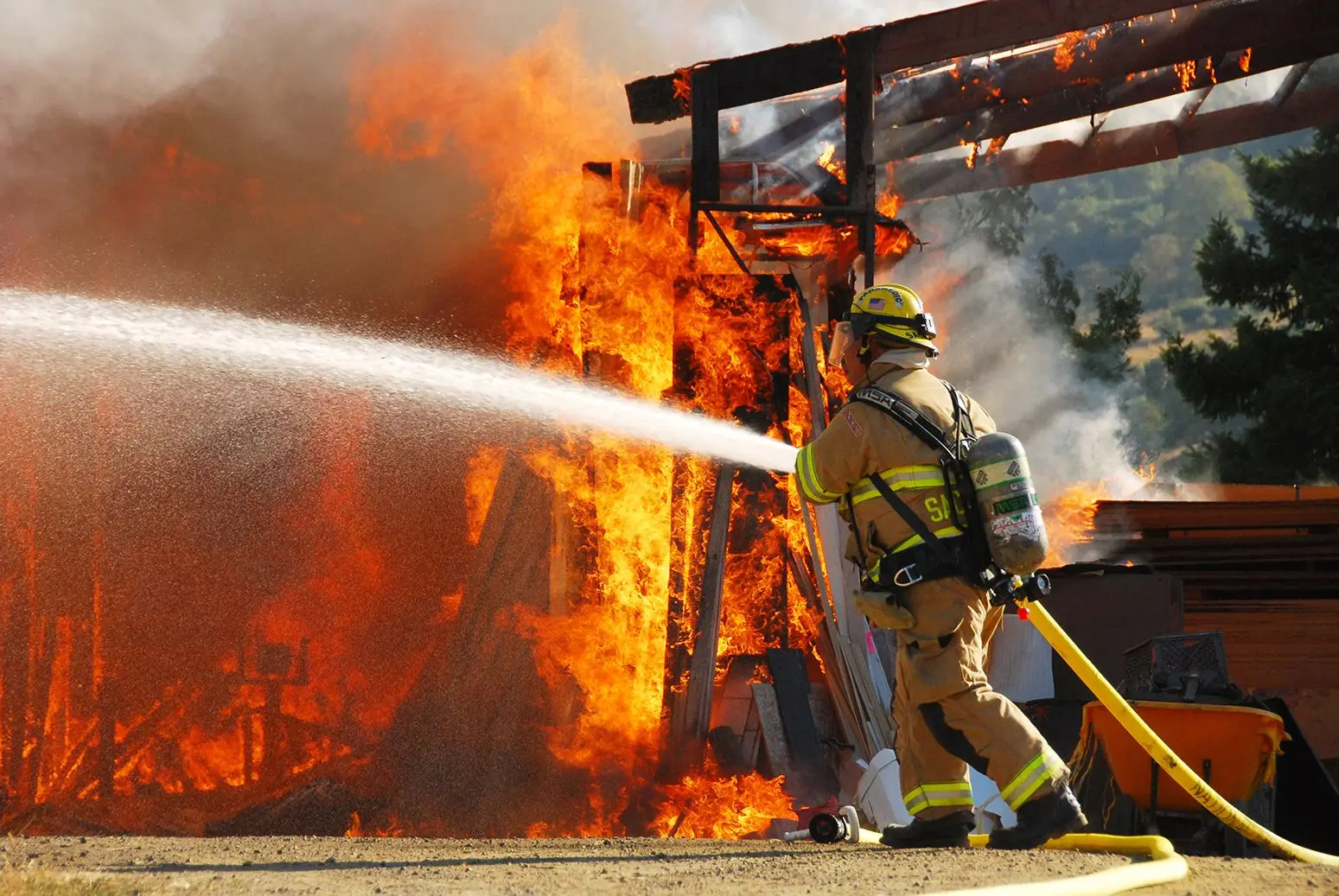
Construction zones carry hidden fire threats. Fresh wiring, fuel storage, and hot work create exposure. A single overlooked spark can damage equipment. For this reason, project leaders depend on trained oversight. Across active job locations, local fire watch companies help maintain safer working environments while reducing costly interruptions.
Why Do Construction Sites Need Constant Fire Monitoring?
Fire hazards change throughout the workday. New materials arrive while tasks keep shifting. Welding activity may occur near lumber stacks. Temporary power setups can develop faults.
Without observation, small issues gain momentum. Smoke, heat, or sparks spread fast. Dedicated guards watch conditions and identify concerns before crews notice them. Their attention adds protection where movement never stops.
What Makes Fire Watch Guards Different?
Workers concentrate on construction duties. Fire watch personnel serve another purpose. Their attention stays fixed on ignition sources.
They inspect work zones and storage areas. Exit paths receive checks during patrols. Equipment placement gets reviewed for safety concerns. Because observations happen throughout the shift, hazards rarely remain unnoticed for long periods.
Key tasks often include:
- Checking hot work locations
- Verifying extinguisher access points
- Watching fuel storage conditions
- Reporting unsafe findings
- Monitoring evacuation route clearance
Reducing Risks During High-Hazard Activities
Certain operations carry greater fire exposure. Cutting torches and welding equipment produce intense heat. Flying sparks travel farther than workers expect.
Consider a steel installation project. Spark fragments may reach cardboard packaging nearby. A trained guard notices changing conditions. Intervention prevents a minor incident from becoming property damage. Early detection remains valuable because construction environments change by the hour.
How Do Fire Watch Guards Help Compliance?
Fire safety regulations require risk management. Inspectors expect records and oversight. Missing documentation creates problems during reviews.
Professional guards maintain activity logs. Patrol schedules remain documented throughout each assignment. Incident reports provide accountability when questions arise. During larger projects, local fire watch companies often help contractors satisfy site-specific requirements while maintaining organized safety records.
Documentation benefits include:
- Inspection notes for supervisors
- Time-stamped patrol records
- Hazard tracking information
- Emergency response documentation
Practical Advantages Beyond Fire Prevention
Strong fire monitoring protects more than structures. Machinery remains vulnerable to heat damage. Delays affect budgets and delivery schedules.
Several operational gains emerge from dedicated coverage:
- Fewer work stoppages
- Better protection for stored materials
- Greater confidence across trade crews
Not every threat appears dramatic. A damaged extension cord may seem harmless. Left unchecked, electrical faults create serious consequences. Observation helps uncover issues before repair costs escalate.
When Safety Systems Become Unavailable
Construction projects disable protection equipment at times. Alarm upgrades and sprinkler modifications create gaps. During those periods, human oversight becomes important.
Rather than relying on incomplete protection measures, managers assign dedicated guards. Patrols provide awareness across affected sections. Emergency communication remains available if dangerous conditions appear. This layer helps maintain control during vulnerable project stages.
FAQs
Does every project require fire watch guards?
Requirements depend on site activities and regulations. Hot work operations often trigger monitoring obligations. Risk levels influence staffing decisions.
Can guards respond during emergencies?
Yes. They follow established procedures. Emergency services receive notification without delay. Communication improves response effectiveness.
Are fire watch services useful overnight?
Yes. Unoccupied locations still contain hazards. Equipment, materials, and temporary systems remain onsite. Overnight monitoring reduces exposure during quieter hours.
The Cost of Ignoring Small Warning Signs
Major incidents rarely begin as major incidents. An overheated cable, blocked exit path, or stray spark often starts the chain. Construction schedules depend on many moving pieces working together.
When dedicated guards identify hazards during patrols, they protect more than property. They preserve project momentum. An observation near a welding station can prevent weeks of disruption, making fire monitoring one of the most valuable safeguards on an active construction site.
