

Heating equipment doesn’t last forever. Still, you can try to keep it working for a longer period. Most people ignore their heaters until something goes wrong. But that’s a costly mistake.
Regular maintenance helps to cut down your energy bills. Emergency repairs can also be prevented. How to maintain heating equipment? Here’s everything you need to know.
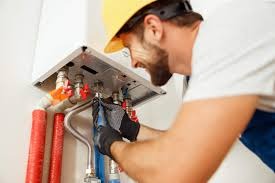
How to Maintain Heating Equipment for Long-Term Efficiency
Inspection and Cleaning
Dust and dirt work as silent killers. They build up over time. As a result, the heating system is forced to work harder. Higher energy consumption shortens the lifespan. To avoid this, the air filter needs to be replaced every 1-3 months. And keep the grills and vents dust-free. Keep the area around your heater dust-free.
A clogged filter alone can increase energy use by 15%. You can avoid this with 10 minutes of regular cleaning.
Professional Servicing
You just can’t rely on DIY maintenance. A professional can find the hidden problems. You should hire local HVAC experts once a year. They will identify the issue early.
They help you to check:
- Thermostat calibration and accuracy
- Internal parts of the heater
- Gas connections
- Electrical components
The majority of failures in central heating occur due to a lack of servicing. Annual costs for servicing are between 80 and 150 dollars. Conversely, emergency repairs are expensive (between $300 and $1000).
Change Your Habits
Bad habits drain efficiency faster than dirty filters. Do not use the thermostat on full blast. Your home won’t heat faster. It just takes a lot of time and wastes energy. Pre-heat the warm temperature and push aside.
For most homes, 18–20°C (65–68°F) works well. Do not operate space heaters periodically. And then permit them to reach the needed temperature, and retain it. Frequent blackouts cause the wear of electrical components.
Smart habits:
- Close the doors to the rooms that are not in use
- Use programmable thermostats
- Keep curtains open during sunny days for free warmth
Zone heating is effective if it is done effectively. Heat where you are actually sitting. However, do not allow other regions to get below 10°C during the freezing weather. Pipes can burst.
Don’t Ignore The Warning Signs
Your heater also sends warning signs. Most of us ignore it. Strange noises, weird smells, uneven heating—these aren’t random. They’re warnings.
- Unusual sounds
- Flickering pilot light
- Burning smell
- Sudden rise in electric bills
A rattling noise might mean loose parts. A burning smell could indicate dust buildup or electrical issues. The yellow pilot light? That’s incomplete combustion—potentially dangerous.
Don’t wait for complete failure. The symptoms must be addressed early. Consider emergency repair. Or you may need to go for a replacement, spending $2,000.
If you want to include a real case study with a link and FAQ/blurb section at the bottom of your article, copy and paste this:
Case Study: Professional Maintenance Increases Heat Pump Performance
Don’t just take our word for it, read what one of our customers in the UK had to say about how professional servicing revived an underperforming air source heat pump.
Summary: A homeowner first noticed their air source heat pump dropping in efficiency, no longer able to heat their home comfortably.
Upon servicing, technicians discovered multiple underlying problems that were impairing performance—including a severely dirty condenser coil, blocked condensate holes, and inadequate drainage around the unit.
Technicians from our team:
- power washed the outdoor condenser and coils,
- levelled the unit because it was installed unevenly,
- addressed drainage issues which could cause corrosion.
By having the heater inspected and returned to proper working order, the system operates better and more consistently, keeping improved airflow and less stress on mechanical components.
Not only did the customer save on what would have been an expensive premature replacement, but the lifespan and efficiency of the heat pump was extended.
👉 Learn more about this heat pump service case study: https://metroplumb.co.uk/help/case-study-restoring-efficiency-with-air-source-heat-pump-service/
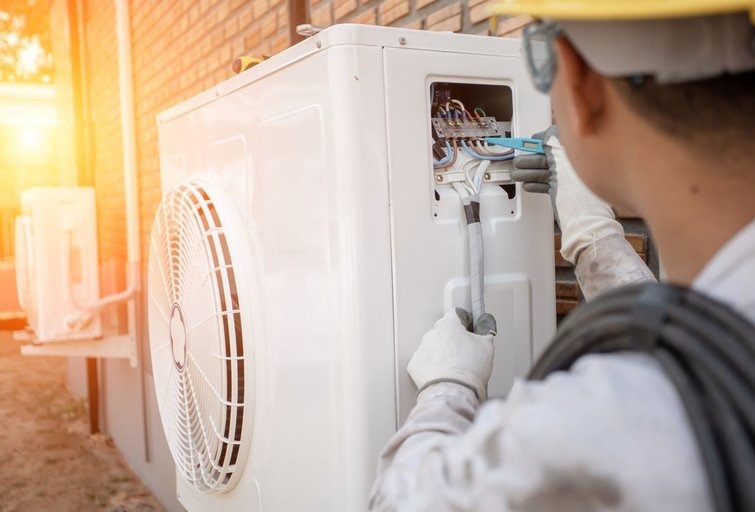
Want to learn more about HVAC maintenance? Read our frequently asked questions below.
Frequently Asked Questions (FAQs)
How often should I have my HVAC system inspected?
HVAC professionals typically recommend getting service at least once a year. One of the benefits of annual maintenance is that you can catch these problems before they start and avoid larger repair costs down the road.
What happens during a heating system inspection?
HVAC contractors will typically perform a set list of services to ensure your system is operating safely and efficiently. This includes checking thermostat accuracy, cleaning interior components, inspecting gas and electrical connections, and running safety tests. Your heating equipment runs better and smarter when maintenance is performed.
Does maintenance really save money on my energy bill?
Yes! By having your heater maintained annually, you can often decrease your energy consumption by up to (or more) compared to letting it go. This means more heat for you and your family without paying for it!
Can preventative maintenance save me the cost of buying a new heater?
Absolutely! Preventative maintenance can help extend the life of your heating equipment and postpone the need for replacement. Systems that have been regularly maintained can even exceed the average expectancy of 15–20 years.
What happens if I skip annual maintenance?
Heating systems that miss annual maintenance are more likely to suffer a breakdown, can cause your heating to become inconsistent, use more energy than you should be paying for, and create the need for costly emergency service calls. Maintenance is also often required by manufacturers to keep your warranty valid.
Are there any signs that indicate maintenance is needed?
Yes, if your heating system is making strange noises, not heating evenly, you smell odd odors when heating, notice your energy bills creeping up, or your pilot light is constantly fluctuating; these can all be indications that it’s time to call a professional.
What can I do between professional maintenance appointments?
While we always recommend having a trained professional handle internal inspections and mechanical and gas certifications, there are a few things you can do like changing your air filter every few months and cleaning around your vents. Learn more about DIY maintenance.
Conclusion
Heating equipment doesn’t ask for much. You have to keep it clean and perform yearly check-ups. You shouldn’t neglect maintenance. OR you will end up paying three times. If you find out that performance is declining. Stop. It’s time to hire a technician.
