

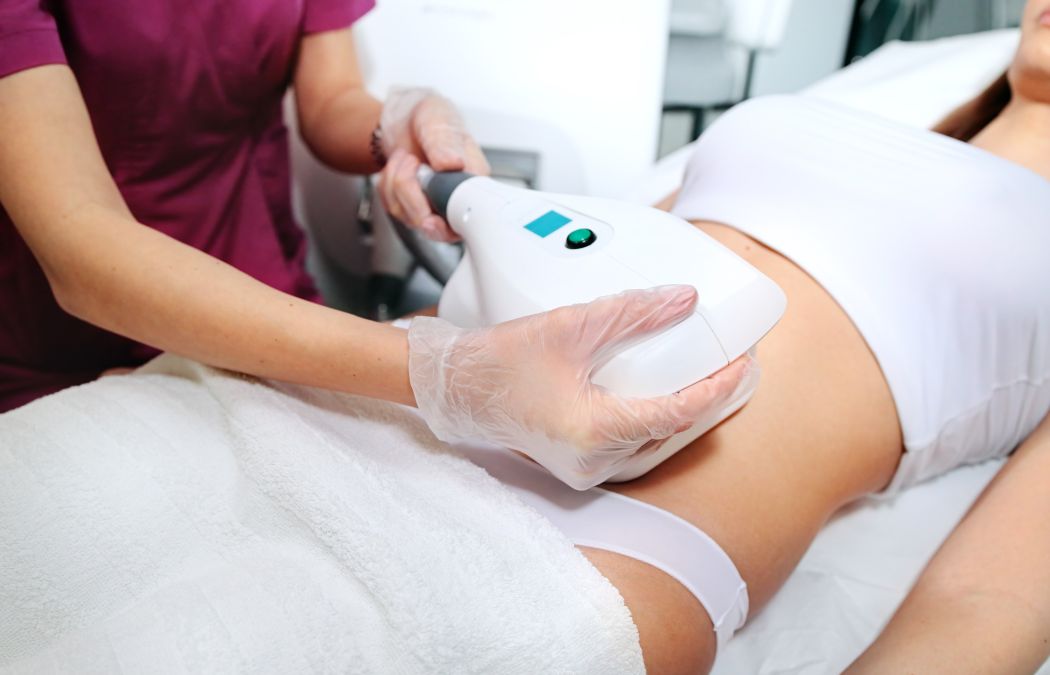
Body shape concerns are common and vary from person to person. While regular exercise and healthy eating play an important role in overall wellness, certain areas of stubborn fat may remain resistant to lifestyle changes. These localized pockets often lead individuals to explore professional body contouring options that support fat reduction without surgery.
Advancements in aesthetic technology have introduced non-invasive methods designed to target specific areas while minimizing downtime. These approaches focus on gradual improvement and natural-looking results, making them appealing to people seeking subtle body refinement.
Why Stubborn Fat Can Be Hard to Reduce
Fat distribution is influenced by genetics, hormones, age, and metabolism. Some areas of the body naturally store fat more readily and do not respond easily to diet or physical activity. Common regions include the abdomen, thighs, arms, and flanks.
These fat cells can remain unchanged even with consistent exercise routines. As a result, individuals who are otherwise healthy may still struggle with localized areas that affect body confidence and overall proportions.
Evolution of Non-Surgical Fat Reduction
Traditional fat reduction methods often required surgical intervention and extended recovery periods. Over time, demand grew for solutions that offer visible improvement without disrupting daily routines. This led to the development of non-invasive body contouring techniques that work by targeting fat cells while leaving surrounding tissues unaffected.
Modern aesthetic care prioritises safety, comfort, and predictable outcomes. Treatments are designed to support the body’s natural processes rather than forcing abrupt changes.
How Non-Invasive Fat Reduction Works
Non-invasive fat reduction treatments generally focus on targeting fat cells in a controlled manner. These methods aim to reduce fat volume gradually, allowing the body to process and eliminate treated fat cells over time.
Treatment sessions typically last less than an hour and do not involve incisions or anesthesia. Individuals may experience mild sensations during the session, but these effects are usually temporary and manageable.
Because changes develop progressively, results tend to look natural rather than sudden. This gradual transformation is often preferred by individuals who want discreet enhancement.
Who Often Considers This Approach
Non-surgical body contouring appeals to a wide range of individuals. It is commonly considered by people who maintain a stable weight but want to refine specific areas. It is not intended as a weight-loss solution, but rather as a body shaping option.
Candidates usually value convenience, minimal downtime, and subtle results. A professional assessment helps determine whether the treatment aligns with individual body composition and goals.
As people explore available options, they often research fat freezing treatment Singapore to better understand how non-invasive fat reduction is approached within structured aesthetic care settings.
Treatment Planning and Expectations
Before treatment begins, a consultation is typically conducted to evaluate treatment areas, skin condition, and fat distribution. This planning phase helps set realistic expectations and ensures that the procedure targets appropriate areas.
Results are not immediate. Improvement becomes noticeable over several weeks as the body processes treated fat cells. Some individuals may require more than one session to achieve their desired level of contouring.
Managing expectations is an important part of satisfaction, as outcomes depend on body response and adherence to post-treatment recommendations.
Aftercare and Lifestyle Support
One of the advantages of non-invasive fat reduction is minimal recovery time. Most individuals return to normal activities shortly after treatment. Mild tenderness or temporary sensations may occur but usually resolve on their own.
Supporting results through healthy lifestyle habits is essential. Balanced nutrition, regular physical activity, and adequate hydration help maintain outcomes and overall body composition.
Following professional aftercare guidance supports comfort and long-term results.
Long-Term Body Contouring Perspective
Body contouring is most effective when viewed as part of a broader wellness strategy. While non-invasive treatments can enhance shape, maintaining results requires ongoing care and consistency.
Periodic assessments may be recommended to monitor progress and determine whether additional sessions are beneficial. Taking a long-term approach promotes sustainable results and confidence.
Conclusion
Non-invasive body contouring has become a popular option for addressing stubborn fat without surgery or extended downtime. By understanding how these treatments work and setting realistic expectations, individuals can make informed decisions that align with their personal goals.
When combined with healthy habits and professional guidance, modern body contouring methods offer a practical way to support body refinement while maintaining natural-looking results.
