

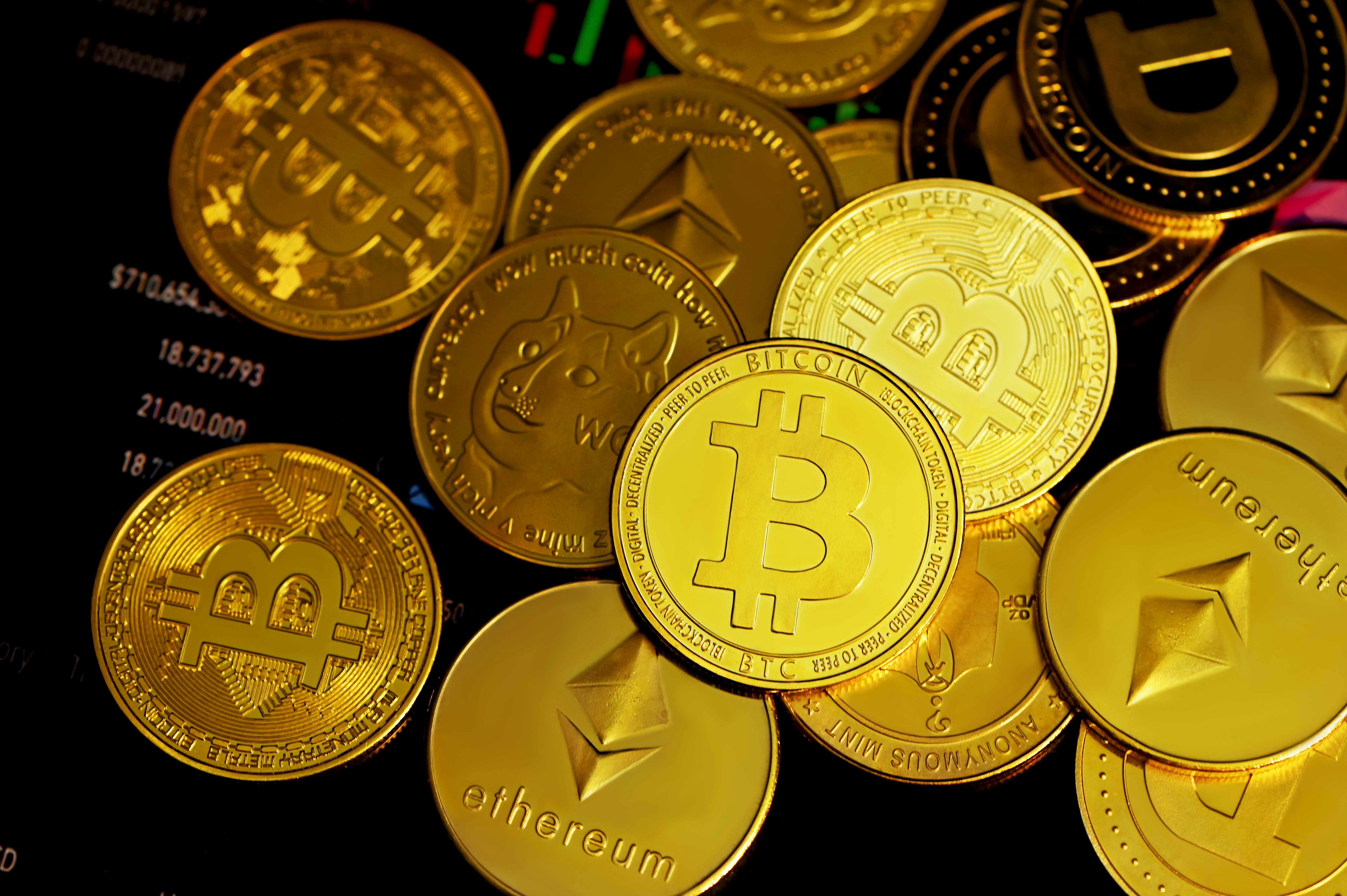
Cryptocurrency doesn’t operate in isolation. It moves with the world, reacting to policy changes, financial upheavals, corporate moves, and sometimes, social unrest. In recent years, the global environment has shaped crypto’s growth in ways no chart or technical tool alone could predict.
If you scan crypto news today, it’s clear that what happens outside blockchain networks can influence what happens inside them. Market cycles, investor behavior, and technology adoption have all been touched by real-world events. The five moments below are just some of the turning points that changed the trajectory of crypto markets around the world.
1. Pandemic Disruption and the Monetary Response
The onset of the COVID-19 pandemic sent shockwaves through global economies. In response, governments and central banks injected trillions into financial systems. Interest rates dropped, and stimulus checks arrived in many households, creating both liquidity and uncertainty.
With traditional investment routes under pressure, people began looking elsewhere. Cryptocurrencies, especially Bitcoin and Ethereum, gained fresh attention as potential hedges against inflation. The narrative shifted from speculative assets to alternative stores of value.
This period also brought a surge in first-time crypto investors. Digital wallets grew in number, trading volumes spiked, and the industry saw a burst of innovation, from DeFi to NFTs. It wasn’t just about price appreciation—it was a moment that redefined what crypto could represent during times of systemic risk. As a result, many new users sought easy entry points into the market, such as options to buy dogecoin with credit card, making crypto more accessible than ever before.
2. The Changing Face of Regulation
Around the world, governments have begun to take a more active role in how cryptocurrencies are managed and used. While some countries are exploring blockchain innovation, others have chosen restriction or outright bans.
China’s decision to shut down crypto mining in 2021 sent immediate shockwaves through the industry. Mining operations relocated almost overnight, shifting the balance of computing power to countries like the United States, Kazakhstan, and Canada. This sudden move emphasized how national policy can alter blockchain infrastructure in real time.
Elsewhere, regulation is evolving rather than rejecting. In Europe and the United States, lawmakers have introduced clearer rules for exchanges, stablecoins, and digital asset custody. These policies are starting to define how companies operate, how users are protected, and how capital enters the space.
At the same time, many jurisdictions are walking a tightrope—encouraging innovation while trying to prevent abuse. As regulation develops, markets may see greater stability, increased investor confidence, and stronger institutional participation.
3. Institutional Capital Moves In
There was a time when crypto felt disconnected from traditional finance. That changed rapidly. Over the last few years, institutional capital has flowed into the space in growing volumes. Pension funds, hedge funds, and public companies began buying Bitcoin. Some launched dedicated crypto strategies or invested directly in blockchain infrastructure.
Tesla’s decision to purchase Bitcoin was a major symbolic shift. When a company that size moves into digital assets, others take notice. Shortly after, more firms followed, treating crypto as a treasury diversification play or a bet on long-term technology adoption.
Financial institutions also played their part. Platforms like PayPal, Mastercard, and Fidelity added crypto services. These integrations helped normalize crypto use, driving mainstream interest and simplifying access for millions. It’s no longer just about tech-savvy traders—legacy finance is now part of the ecosystem.
4. Political Unrest and Financial Controls
In several countries, crypto has taken on a very different role—one tied to survival rather than speculation. Economic collapse, sanctions, and capital restrictions have pushed citizens to explore alternative systems for storing and moving money.
In places like Venezuela, Turkey, and Ukraine, individuals have turned to stablecoins and Bitcoin during moments of crisis. Some needed to protect savings from hyperinflation, others wanted to send funds across borders without relying on failing banks.
These moments have reminded the world that crypto isn’t just a tool for profit. It’s a lifeline for many. That humanitarian use case, often overlooked in markets driven by charts, has helped keep crypto relevant when trust in institutions breaks down.
5. Collapses That Shook Confidence
Not all defining events have come from outside the crypto industry. Some of the most damaging moments were internal. The collapse of exchanges, lending platforms, and stablecoins have all dealt serious blows to user confidence.
FTX’s implosion in 2022 is one example. Once considered a trusted platform, its downfall exposed serious gaps in transparency, risk management, and oversight. The event triggered market-wide sell-offs and brought renewed urgency to regulatory discussions.
The earlier collapse of Terra’s algorithmic stablecoin system also sparked fear. Billions evaporated almost overnight, and the shockwaves disrupted many connected DeFi protocols. These failures prompted developers to rethink how they build. It also forced users to become more cautious, giving rise to renewed interest in audits, reserves, and proof-of-assets.
Long-Term Lessons for a Volatile Space
Each of these events played a role in reshaping the crypto market. Some sparked innovation. Others caused retracement. But together, they’ve pushed the industry to grow up. The crypto space today is more global, more regulated, and more intertwined with traditional finance than ever before.
Investors who understand that context tend to make more informed decisions. Following price alone isn’t enough. Watching the broader world—policies, technologies, conflicts, and regulation—offers important clues about where the market might go next.
As the industry moves forward, resilience will continue to be tested. But with each global shift, crypto becomes more adaptive, more transparent, and in many ways, more relevant to everyday life.
